Apple has just released the Lion Recovery Disk Assistant, which allows you to turn any USB flash drive into a Lion recovery disk. This useful tool comes in handy in the event of a hard drive failure. In this video, I’ll show you how to set up a Lion recovery drive the right way and how to use it in the event of a hard drive failure.
Apple is allegedly investigating complaints from some Mac OS X Lion users about system crashes related to graphics or sleep/wake issues on various Macs. Users that complain about the problem say that a person will see their Mac suddenly crash and display a black screen or a kernel panic. One common situation surrounding the problem is that some sort of graphics event is taking place or that the crash may take place when the computer wakes from sleep.
Hopefully by now you’re running Apple’s shiny new cat, OS X Lion, on your Mac. You may be noticing all the improvements and changes that Apple made in Lion, and we recommend reading our comprehensive review of Lion for all the info you need to know about the latest edition of OS X.
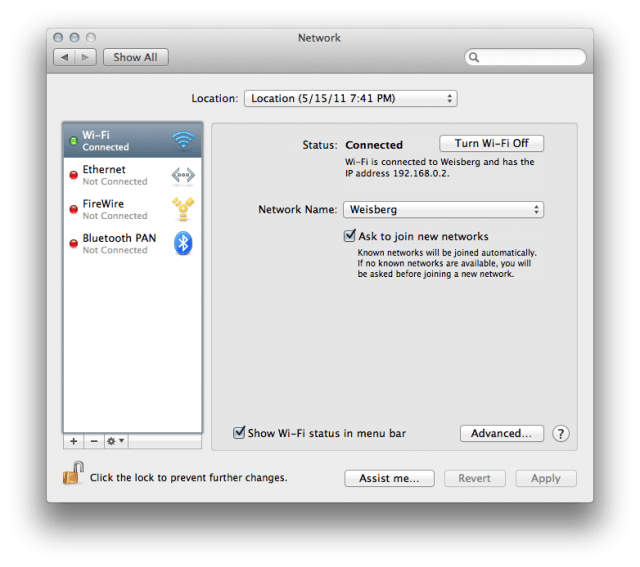
For most users, upgrading to Lion is a smooth and pain-free process. For others, there seems to be several problems, specifically with intermittent Wi-Fi dropouts.
I did something last weekend that I know many of you may have done already. I dragged my Mac Mini into the living room and connected it to my large screen LCD TV. I ran into an interesting problem after doing so. My Mac Mini would not display the Mac OS X menu bar. It wasn’t visible, but luckily there is an easy fix for this problem.
Apple has revised their support.apple.com website today. The new site has a cleaner look with most of the popular items accessible and immediately visible. I happened to run into it tonight while checking the status of an AppleCare auto-enrollment for a new iMac that was purchased last week-end.
A number of users are reportingproblems with Wi-Fi or 3G data connections after upgrading their iPhones to iOS 4.3.3. I’ve encountered the problem myself on 3G and a friend called me the other day to complain to me about the problem on both Wi-Fi and 3G. He was pretty frustrated about it and I cannot blame him since it seemed to come and go for him.
You’ll notice the problem manifest itself whenever you try to access a network resource and the busy indicator to the right of the carrier signal label seems to get stuck and nothing happens – mail isn’t downloaded, a web page doesn’t load, etc. I haven’t noticed the problem on my iPad 2 nor have I seen people complain about it happening on their iPads.
Apple’s iOS updates lately have been interesting because they haven’t performed a complete restore and recovery of my data — in other words I didn’t have to reload all my apps, media, etc. after the firmware was updated. This happened recently with iOS 4.3.3 and previously with iOS 4.3.2.
In some cases after short firmware updates like these I’ve experienced problems with apps, my internet connection, multitasking, and a few other things. Here are some tips that will help you eliminate these problems if you encounter them.
I often take these basic iOS troubleshooting tips for granted and I thought that this would be a good time to share them with all of you.
Not being able to get online can be a frustrating problem. It can cost hours of time and test your patience. See, Mac OS X doesn’t always work properly all of the time, and will occasionally assign itself an IP address, which will result in you being unable to connect to the internet. Luckily, there is an easy solution. You can use System Preferences to set a new Network Location, as well as renew your DHCP lease to fix the problem. This video will show you how to quickly fix the problem of self assigned IP addresses through System Preferences.
One of the biggest problems with physical media is that it breaks. As soon as your DVD gets a couple scratches it’s rendered un-usable and worthless. Copying a DVD with encryption isn’t as easy as it should be. The good news is that with this walkthrough Cult of Mac will show you how to do it.
Got a Time Capsule that’s giving you problems? According to a new Apple Knowledge Base article, Time Capsules with a serial number conforming to XX807XXXXXX – XX814XXXXXX are now eligible for a trade-in.
According to the article, “Some Time Capsules sold between approximately February 2008 and June 2008 may not power on or may shut down unexpectedly after starting up.”
I actually have a 500GB Time Capsule with that serial number, but it’s still working like a champ for me… despite the fact that the average Time Capsule sold during that time apparently dies every 19 months and 20 days. Anyone with an ailing Time Capsule going to take Apple up on their exchange offer here?