An iPhone locked with a passcode is more secure than any bank vault. AI image: ChatGPT/Cult of Mac
A very sad day has come, and a beloved relative has passed away. And it seems Apple is making the experience worse because it refuses to unlock the deceased person’s iPhone!
It’s not that Apple refuses to — it literally cannot. And it all comes down to the way encryption works.
Fortunately, there’s a simple way to prevent this problem. It just takes some preparation.
You can be confident that Lockdown Mode will keep your iPhone safe from spyware. AI image: ChatGPT/Cult of Mac
There’s a setting called Lockdown Mode you can activate on your iPhone that will make it virtually impossible to hack. Just by flipping a switch, you can make your iPhone incredibly secure. So secure, in fact, that Apple says no phone using Lockdown Mode has ever been hacked.
Sure sounds great. Surprise — here’s why you don’t want to use it.
DarkSword looms over iPhones that haven't been updated. AI image: ChatGPT/Cult of Mac
Your iPhone is at serious risk of getting hacked if you haven’t updated it recently. Apple and security researchers warn that a sophisticated hacking tool known as DarkSword can compromise iPhones through malicious websites.
The fix is easy and available for every iOS device since 2015. Plus, it doesn’t require you to install iOS 26 or put Liquid Glass on your handset.
Still on iOS 18? Apple released a new security update you should install right now. Photo: D. Griffin Jones/Cult of Mac
Apple released an iOS 18 update on Wednesday to patch a major security vulnerability for iPhones that haven’t yet upgraded to iOS 26. The new version, iOS 18.7.7, is presumably intended to protect a range of iPhone models from the serious DarkSword hack.
This comes amid a recent push from Apple to address newly discovered vulnerabilities across older iOS releases. It has released multiple updates over the past few weeks.
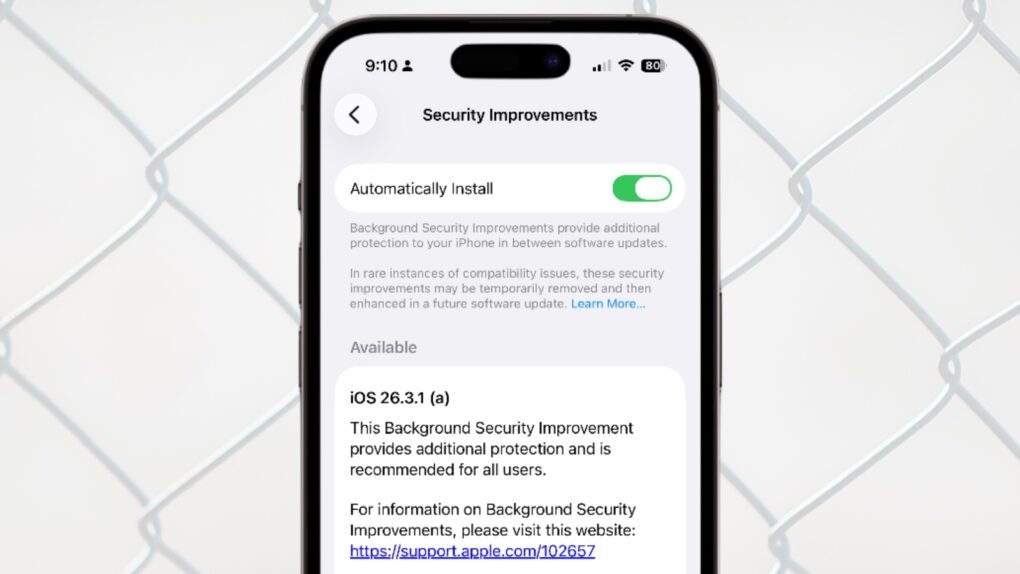
iOS 26.3.1 (a) is Apple's first ever Background Security Improvements patch for iPhone. Image: Apple/Cult of Mac
Apple updated iOS, macOS and iPadOS with a Background Security Improvements patch on Tuesday, the first time the company has used its new system for securing user devices. This patch fixes a flaw in WebKit that could have allowed malicious websites to access data from other websites.
Background Security Improvements are installed without requiring the iPhone, Mac or iPad user to do anything — or even be aware of the update.
Background Security Improvements deliver behind-the-scenes software patches to shield iPhone users from hackers. AI image: ChatGPT/Cult of Mac
Apple ran the first test of its new Background Security Improvements feature on Tuesday. Registered developers can access the initial security patch, though it does nothing aside from test the new system.
The eventual goal is enable Apple to distribute security patches separated from software updates.
Install iOS 26.2 now to protect your iPhone from newly identified threats and security vulnerabilities. Image: ChatGPT
Experts urge iPhone users to install iOS 26.2 as soon as possible, warning that the update includes important security patches designed to protect devices from newly identified threats.
New iOS versions usually patch security vulnerabilities, but the need is unusually urgent this time because Apple says hackers are already exploiting the security holes patched in iOS 26.2.
★★★★☆
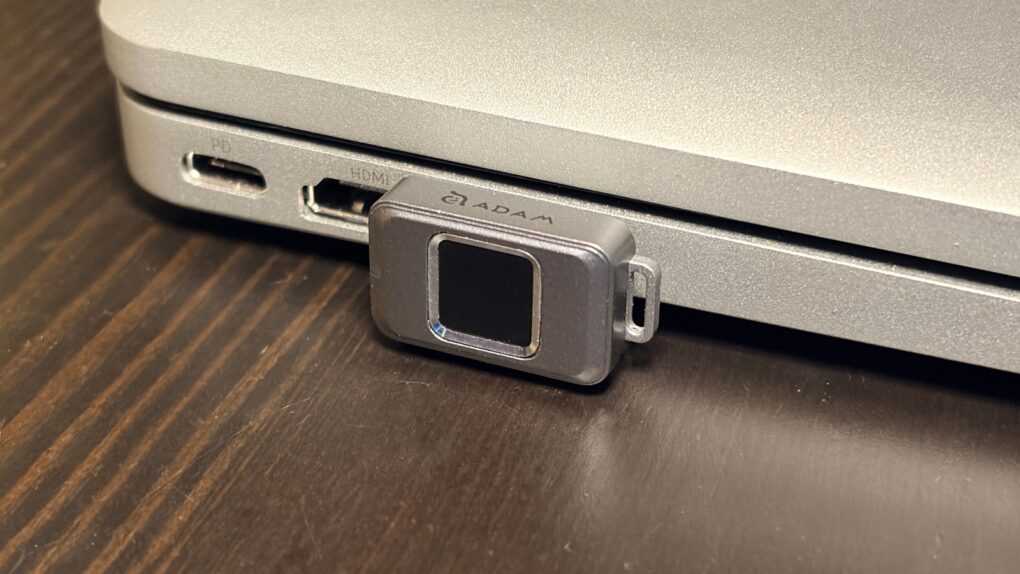
Easily secure your privacy with the iKlips S. Photo: Ed Hardy/Cult of Mac
No one but you can access the files stored on the iKlips S, a tiny SSD from Adam Elements. Simply tap your finger on the drive to unlock it. The biometric security system is similar to Apple’s Touch ID and keeps everything on the SSD private. No passwords are necessary.
File transfers are quick, and the drive uses USB-C, so it works with a broad array of computers, including Mac, iPad and iPhone.
I put the iKlips S through testing for this review and came away quite satisfied with its performance. Just be aware, though, that you’re paying a premium for the extra security. We can get you a 30% discount, though!
A new video shows the hapless Underdogs discovering the advantages of Mac security. Screenshot: Apple
The Underdogs are back in BSOD (Blue Screen of Death)! The fictitious team of nerdy Apple users once again star in a video demonstrating how Macs and iPhones get real work done. This time, the focus is on Mac security.
Watch the shortfilm now and have fun while learning about what your Apple gear can do for you.
iOS 26.1 could usher in a new system to install security patches. Graphic: Cult of Mac
Code found in iOS 26 beta 1 reportedly reveals that Apple is prepping a new feature: Background Security Improvements. These will patch security problems and won’t need the user to be involved or even be aware that a patch is being applied to their iPhone.
This is apparently the replacement for Rapid Security Responses, an iPhone security tool that Apple introduced but then hasn’t used in years.
This hardware VPN also serves as a firewall and ad blocker.
Photo: Cult of Mac Deals
The Deeper Connect Mini decentralized VPN and firewall is an easy-to-use piece of hardware that can protect your identity online and shield you from threats. And for a limited time, it’s on sale for $179.99.
Take the chance to upgrade your security. Image: Ed Hardy/Cult of Mac
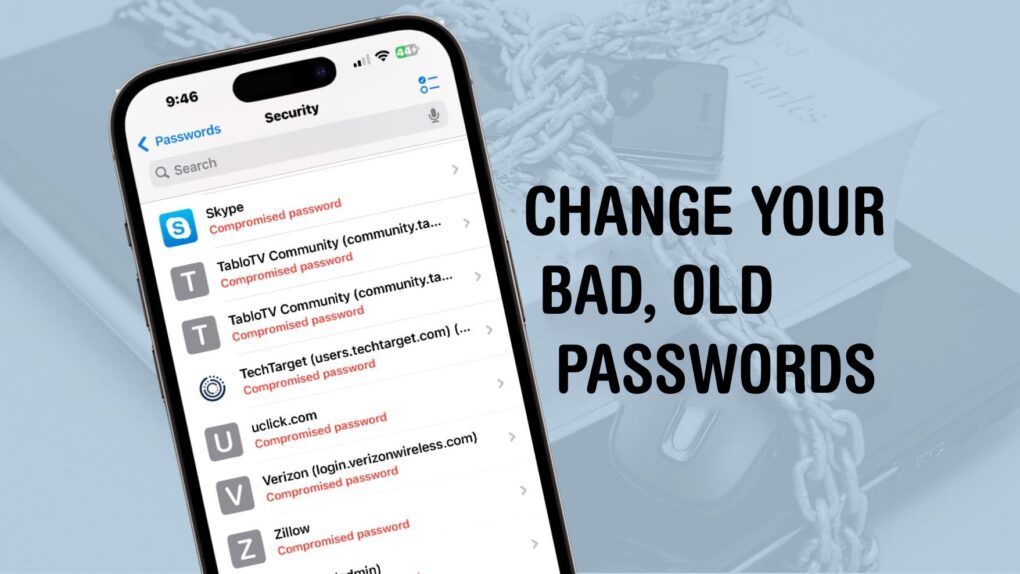
There’s been another big data leak of over 16 billion records, and that’s a great opportunity to do something you’ve probably been procrastinating on: Replace your website passwords that hackers stole because of some lax security. Fortunately, Apple’s new Passwords app makes it easy to find out which of your passwords leaked so you can change passwords right on your iPhone.
Stay one step ahead by fixing a potentially serious problem now, before something bad happens.
You create space in iCloud by deleting old backups. Here’s how. Image: Ed Hardy/Cult of Mac
It’s World Backup Day, a good opportunity to learn how to clear iCloud storage of old backup files made by iPhone and iPad. Are you running out of iCloud storage space? Worried about privacy? You might want to delete some old backups from the cloud.
The good news is erasing these files is easy if you know the steps to follow. Here’s how.
Install iOS 18.1 to make your iPhone more challenging to hack into. Image: Apple
Anyone hoping to hack into an iPhone now finds it more difficult thanks to a change in iOS 18.1. Whether this is police, foreign espionage agents or criminal hackers, there’s now much less time to crack the security on Apple handsets because of a simple trick.
It’s another example of Apple being serious about protecting user privacy.
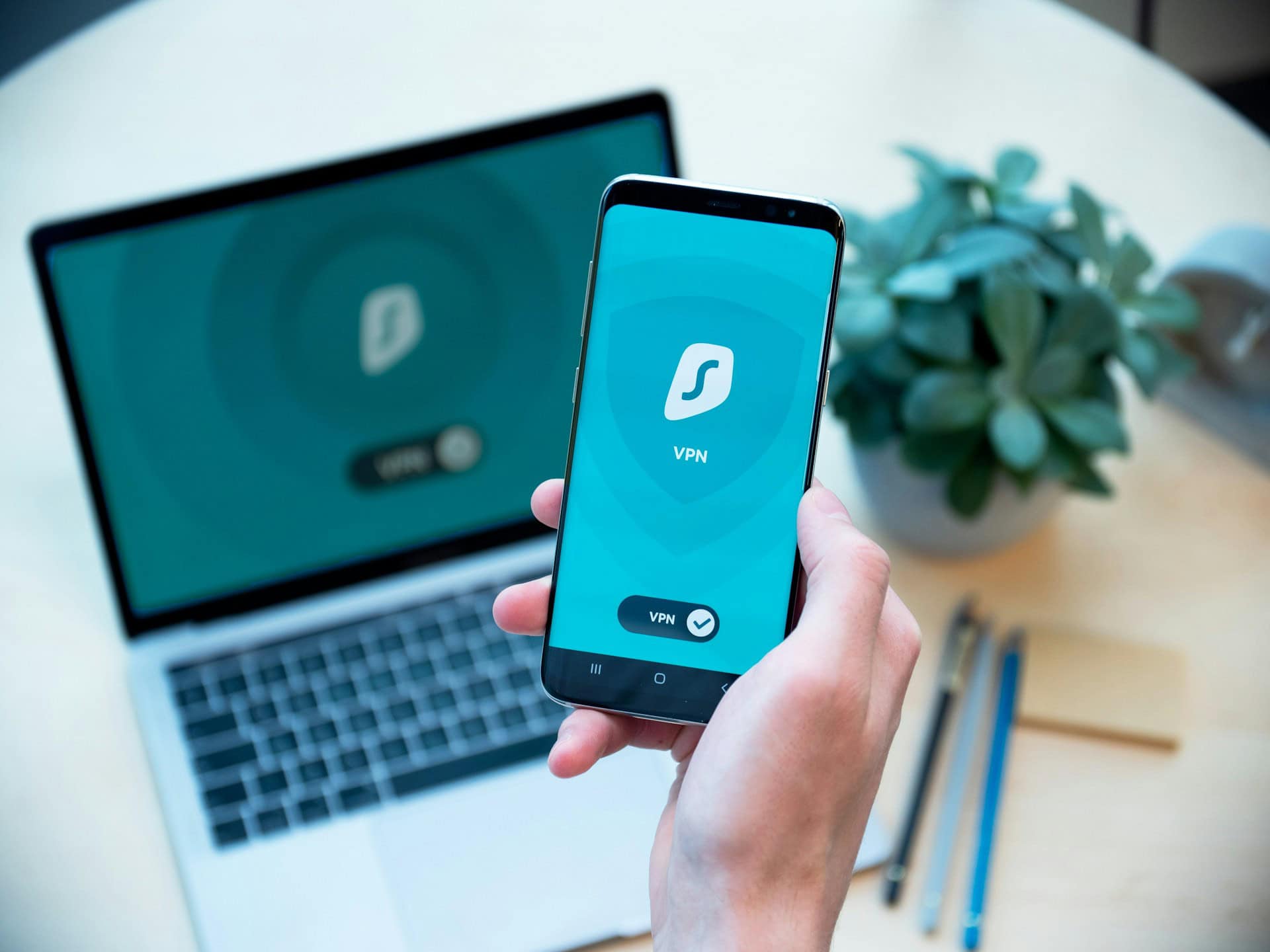
Any devices you use online can benefit from a VPN, including Macs and iPhones. Photo: Dan Nelson/Unsplash License
VPNs are beneficial for gamers and streaming viewers, but they also enhance security and ensure privacy while you’re online, making them useful for all internet users.
Below we look at whether Mac users need to use a VPN device. We also provide information for those questioning VPN safety and wanting to how to choose a service that improves online security and privacy. One big question many users have is whether a free service offers the kind of protection you’re looking for while online. According to software reviews expert Aleksander Stevanovic, free VPNs don’t necessarily enhance security but might actually compromise your system. So, should you use a paid alternative? Let’s find out.
Microsoft will make its employees in China use iPhones for security purposes. Photo: Nomad
Starting in September, Microsoft will require its employees in China to use iPhones for work-related activities, effectively banning Android devices from work use, according to a new report. And of course the irony of a new policy stating that Microsoft employees in China must use Apple devices isn’t lost on us.
Don't want your child to watch Netflix on your iPhone? Just lock the app. Screenshot: Apple
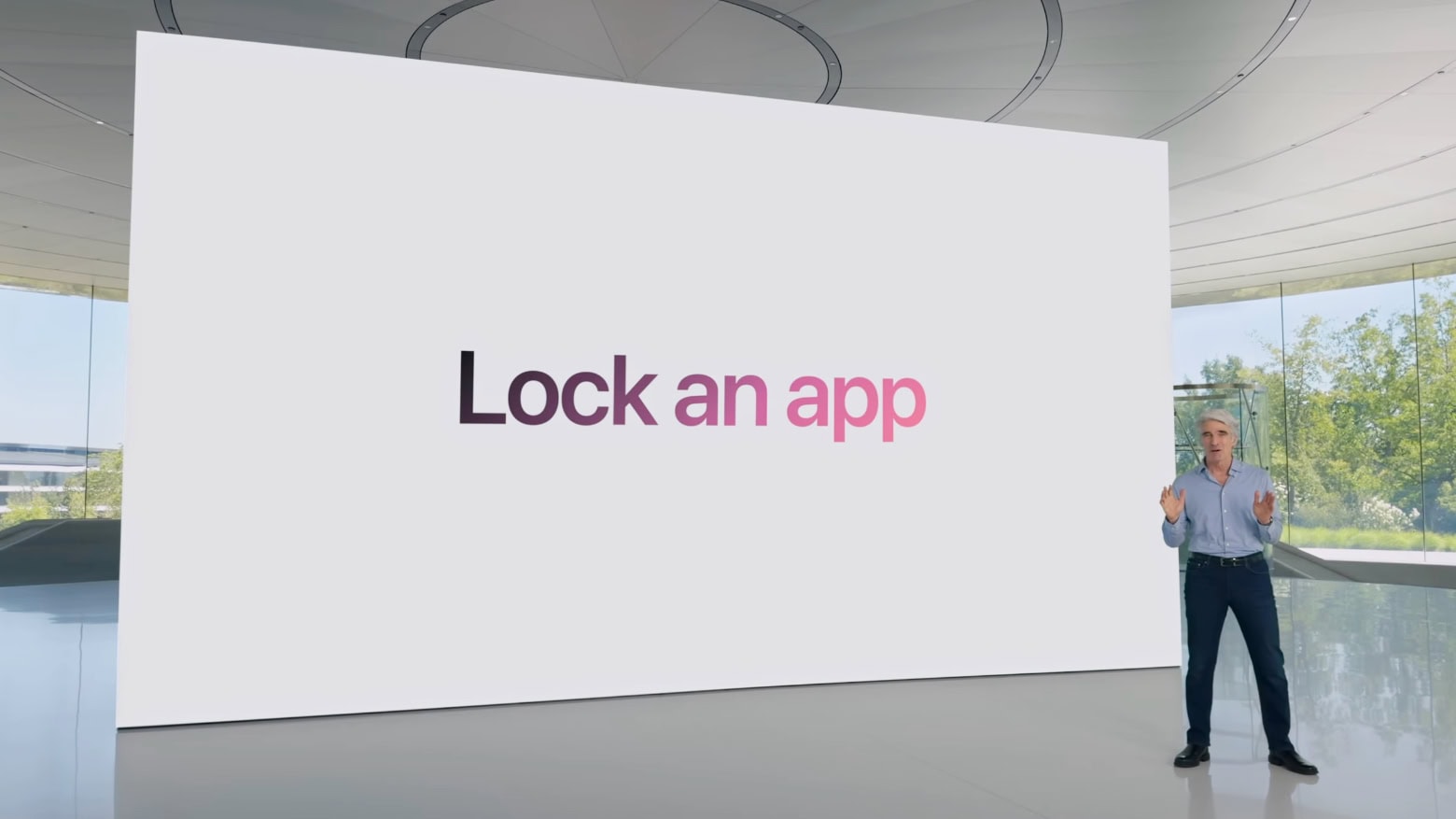
It won’t be long before parents can hand their iPhone or iPad to a small child and be sure they don’t go on the web or accidentally make a phone call. The ability to lock apps so that they require Face ID to open is coming in iOS 18 and iPadOS 18. Apple has consistently introduced new features to enhance privacy and security, as seen in updates covered by apple.news.
I tested the new feature, and while it isn’t as useful as being able to make separate accounts for different users would be, it’s still a welcome change.
These security updates come to macOS and iOS users first and to Android users later in the month. Photo: Google
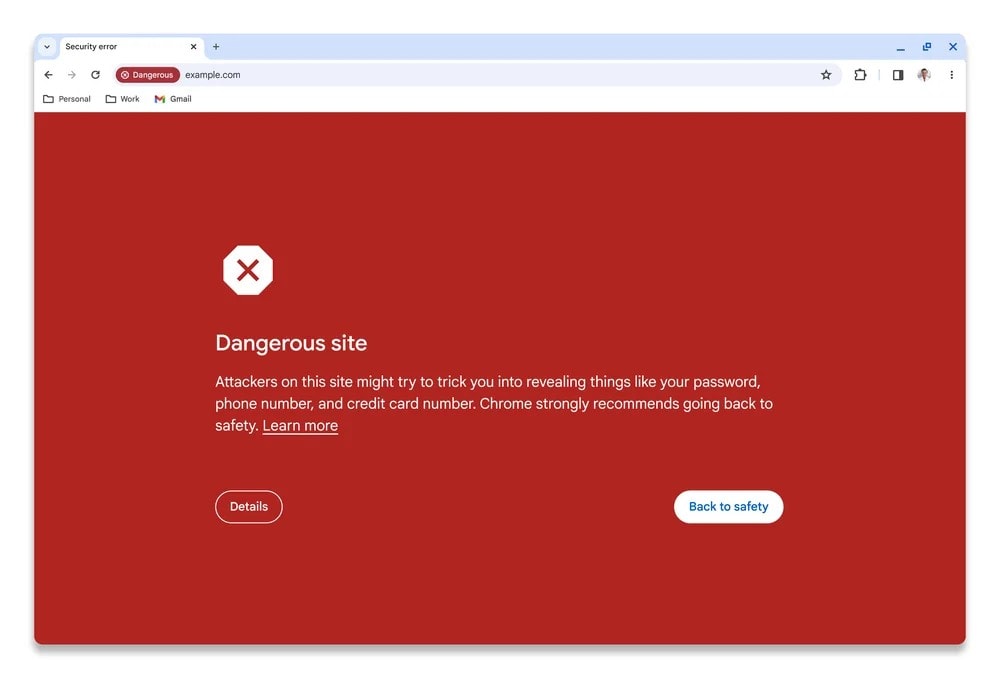
Privacy-preserving URL protection and beefed-up password protection are coming to Google Safe Browsing for the popular Chrome browser for macOS and iOS, Google said Thursday. The Chrome security update comes to Macs, iPhones and iPads first. Android devices will see them later in March.
Your iPhone can better protect itself from data thieves with a new iOS 17.3 feature. Image: Ed Hardy/Cult of Mac
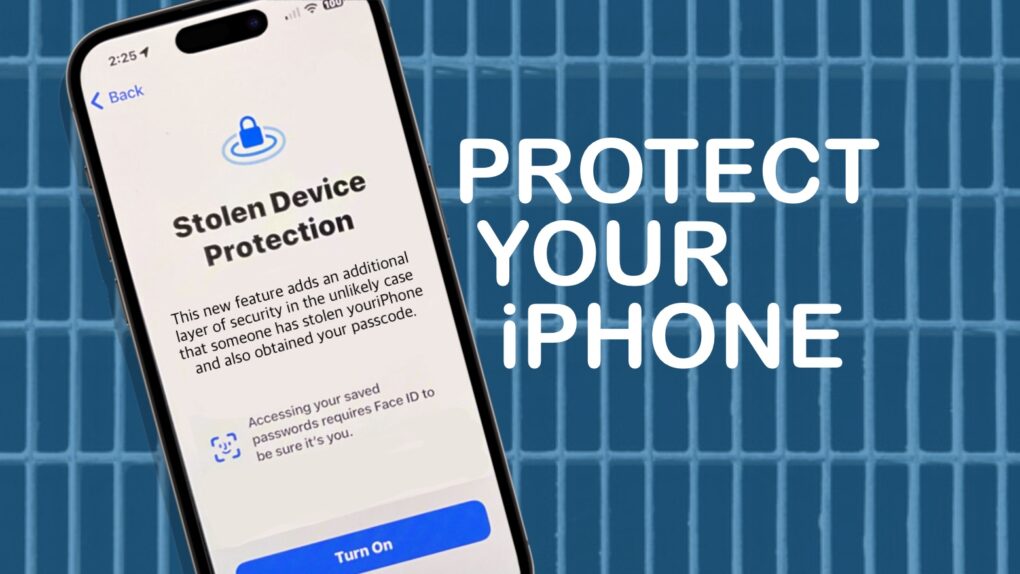
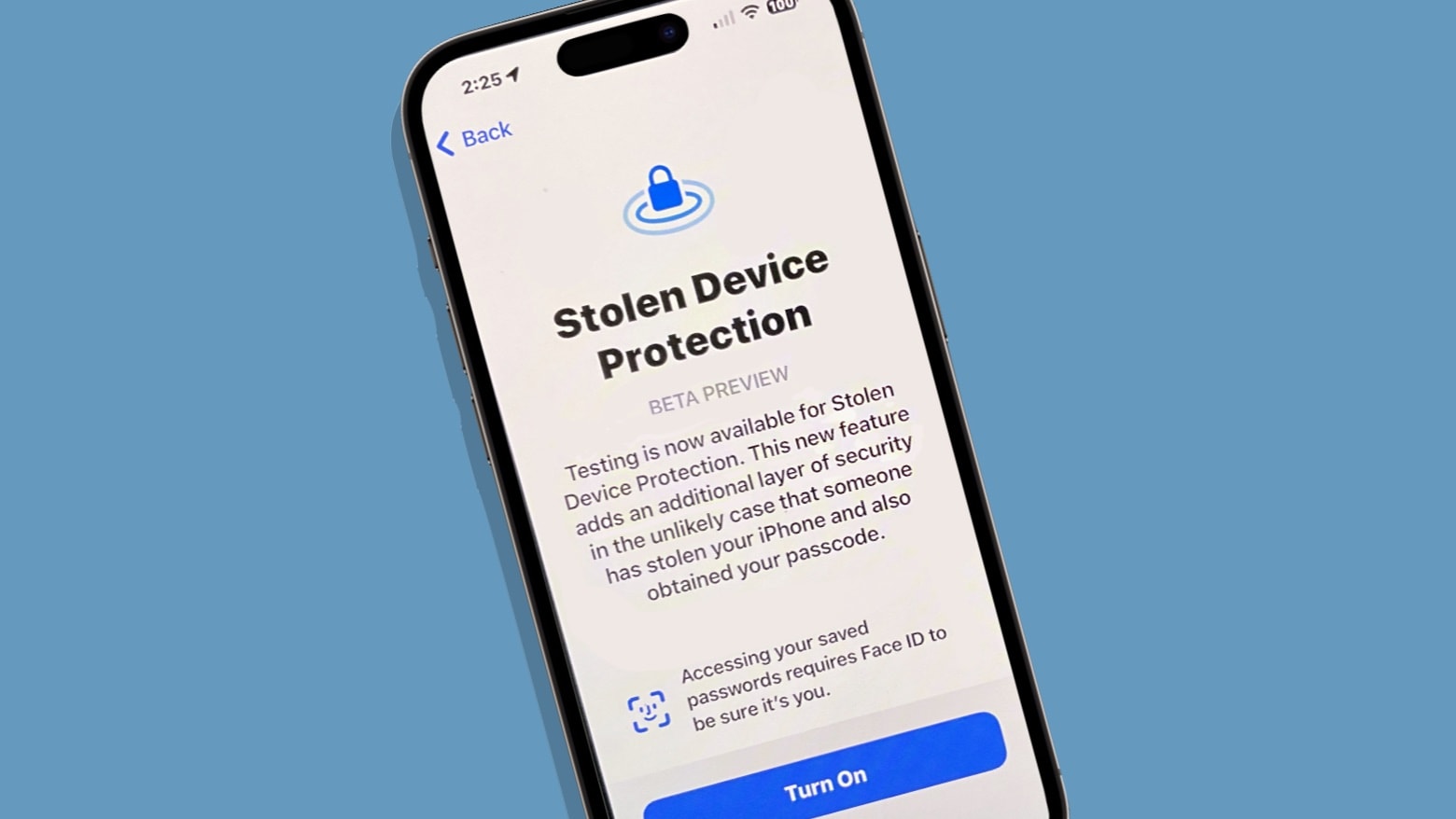
The just-released iOS 17.3 beta 1 includes a surprise feature: Stolen Device Protection. The option makes it harder to reset the passcode on a stolen device if the thief already knows the current passcode. There are also new password protections.
Apple also seeded the initial betas of macOS 14.3, iPadOS 17.3, watchOS 10.3 and tvOS 17.3.
Lock out hackers by installing new security patches on your iPhone, Mac and iPad. Photo: Chepe Nicoli/Unsplash
Apple released iOS 17.1.2 and macOS Sonoma 14.1.2 on Thursday. These are security patches for bugs that have been actively exploited by hackers. As such, they come strongly recommended.
iPadOS 17.1.2 was also released to take care of the same issues.
Save $85 on a year's subscription to Norton 360 and LifeLock. Photo: Cult of Mac Deals
The internet isn’t as wild as it once was, but at the same time, the threats have become more focused and more dangerous. This one-year subscription to Norton 360 and LifeLock protects your privacy on two devices.
Is this what the prolific Mr. Hammer was singing about? No. Image: Jonathan Cutrer/Flickr/D. Griffin Jones/Cult of Mac
Taking a moment to add an extra passcode to your iCloud account might save your skin if your iPhone is ever stolen by a shady character who’s eyeing you like a hawk. By default, your iPhone passcode is all someone needs to lock you out of your devices and wreak financial havoc on your life. And it’s not that difficult to capture your passcode if you tap into your phone in a public place.
In fact, a recent spate of coordinated scams have played out like this: A spy watches for anyone entering their iPhone passcode in a bar or other public place. Then, the device is yoinked out of the victim’s hands. And before they can do anything, they find themselves locked out of their own iCloud account. Soon, the criminals who stole the iPhone proceed to make unauthorized purchases, empty bank accounts and generally wreak havoc on the victim’s finances and personal life.
Luckily, setting up a second passcode just for iCloud can protect you from this type of criminal operation. I’ll show you how to keep these thieves at bay — and offer some additional advice for keeping your account secure.
In the future, expect Rapid Security Responses from Apple for iOS, macOS and iPadOS. Photo: Ed Hardy/Cult of Mac
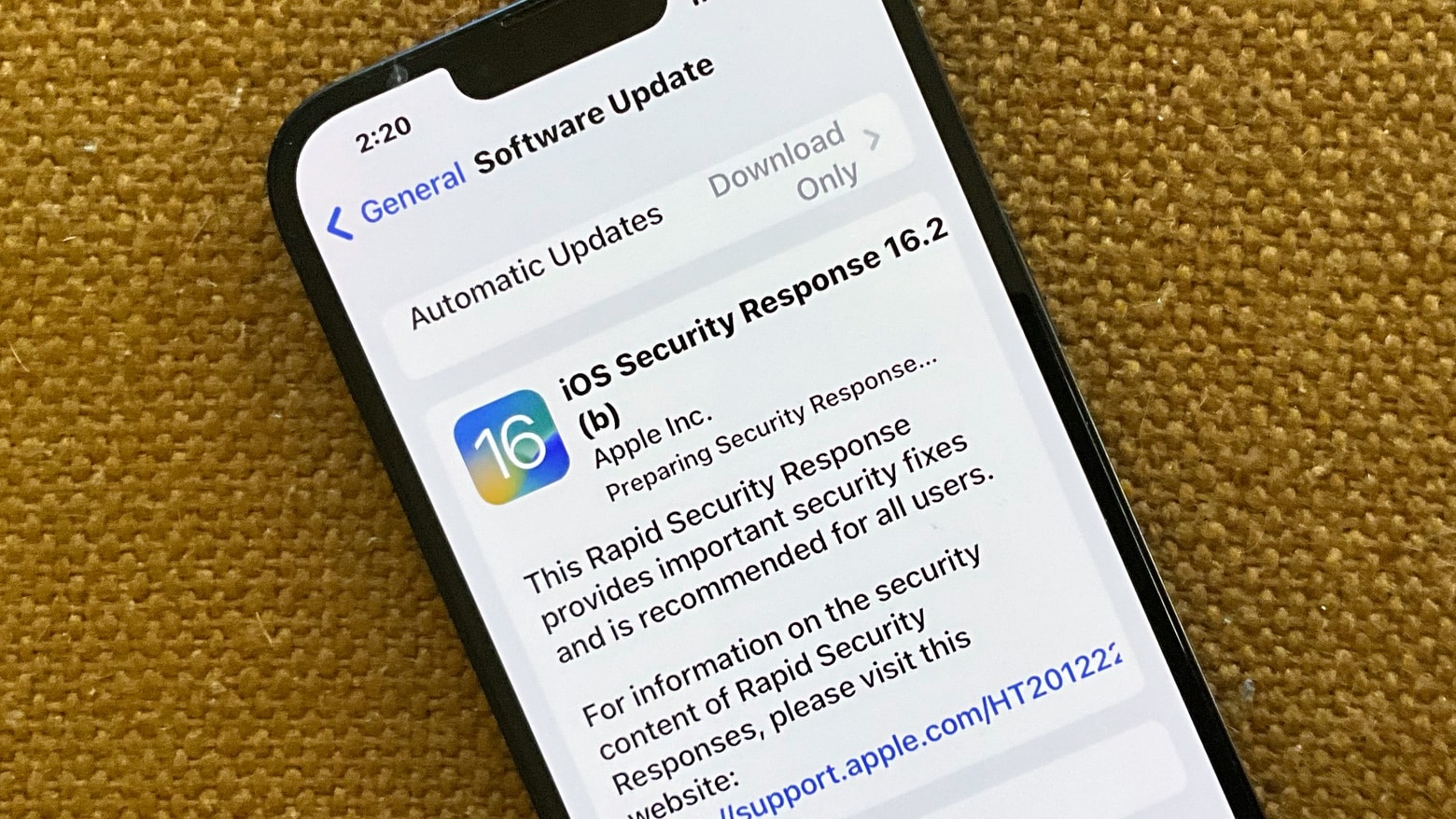
A second round of ‘Rapid Security Response’ bug patches for the iOS 16.2 and iPadOS 16.2 betas were seeded to developers and other beta testers on Monday. At this point, Apple is testing the system for distributing these by releasing them for beta versions of the operating systems.
Once testing is over, these will allow Apple to fix security problems without releasing a full OS update.
PayPal introduces passkeys as an alternative to passwords. Photo: PayPal
PayPal just adopted passkeys as an easy and secure log in method for user accounts. Users with an iPhone, iPad or Mac will be the first able to take advantage of the passwordless biometric security system because Apple built support for it into its devices.
Passkeys are an improvement over passwords, as they can’t be phished, stolen or guessed.