Here at Cult of Mac, we regularly review Apple products and other tech gear and accessories. We also frequently write about Apple TV+ offerings.
If we receive a review unit, we disclose it. (Read our reviews policy.) We frequently employ affiliate links. If you purchase a product after clicking a link from our website, we might earn a commission.
★★★★☆
As a condo owner, I don't need more than Anker Solix C800 Plus to keep the place going in a power outage. Photo: David Snow/Cult of Mac
The Anker Solix c800 Plus Portable Power Station is a capable and versatile portable power station that can get you through a power outage or let you live like a king on a camping trip.
With a stout 768Wh lithium-ion battery, the device packs a punch. It allowed me to charge multiple devices simultaneously and power various appliances in a simulated blackout. Now I’m just waiting for the power to go out for real, or for someone to invite me camping.
★★★★☆
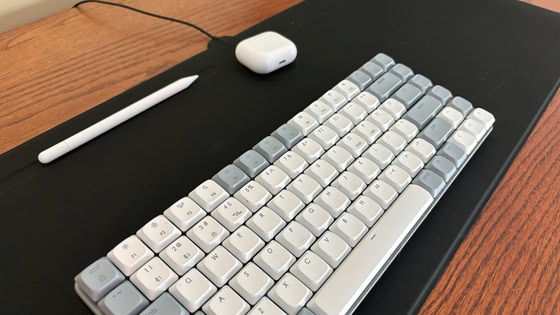
Zagg's new desk mat is also a wireless charger and a mousepad. Photo: Ed Hardy/Cult of Mac
The Zagg Desk Mat with Wireless Charging keeps your iPhone and other gear juiced up while also acting as a nonslip workspace, mousepad and stylus holder.
I put one in my home office and tested it with my iPhone and other accessories. Here’s how it went.
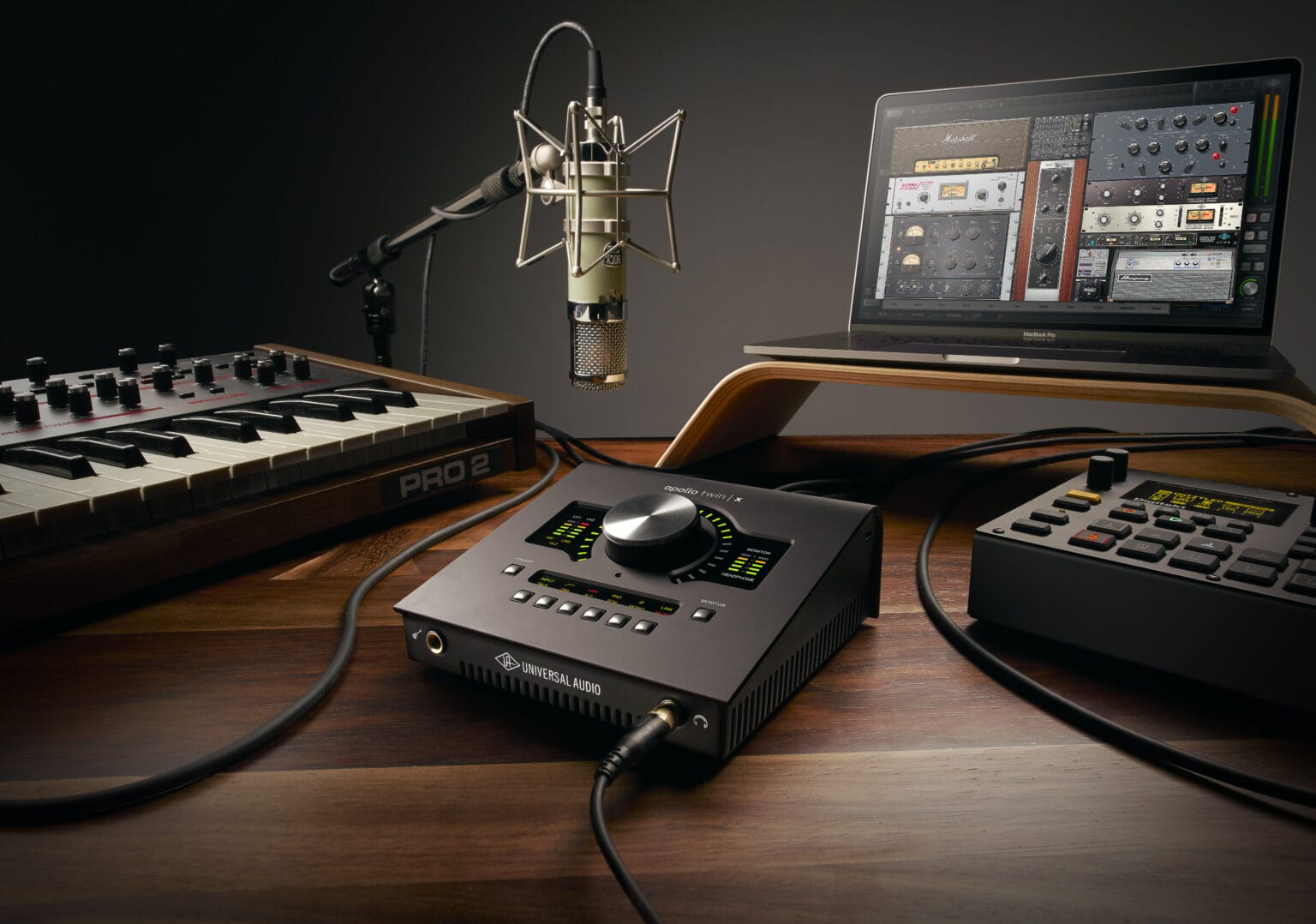
Our top pick for best audio interface for Mac is Universal Audio's Apollo Twin X Quad. Photo: Universal Audio
An audio interface serves as a bridge between your Mac and external audio sources like microphones and musical instruments. The hardware is essential for great sound reproduction, whether you’re a professional producer or a beginner. So finding the best audio interface for your Mac can significantly enhance your recording and mixing experience.
In this guide, we’ll explore top audio interfaces available for Mac, including several affordable options. We’ll discuss their features, performance, compatibility and price points to help you make an informed decision.
★★★★★
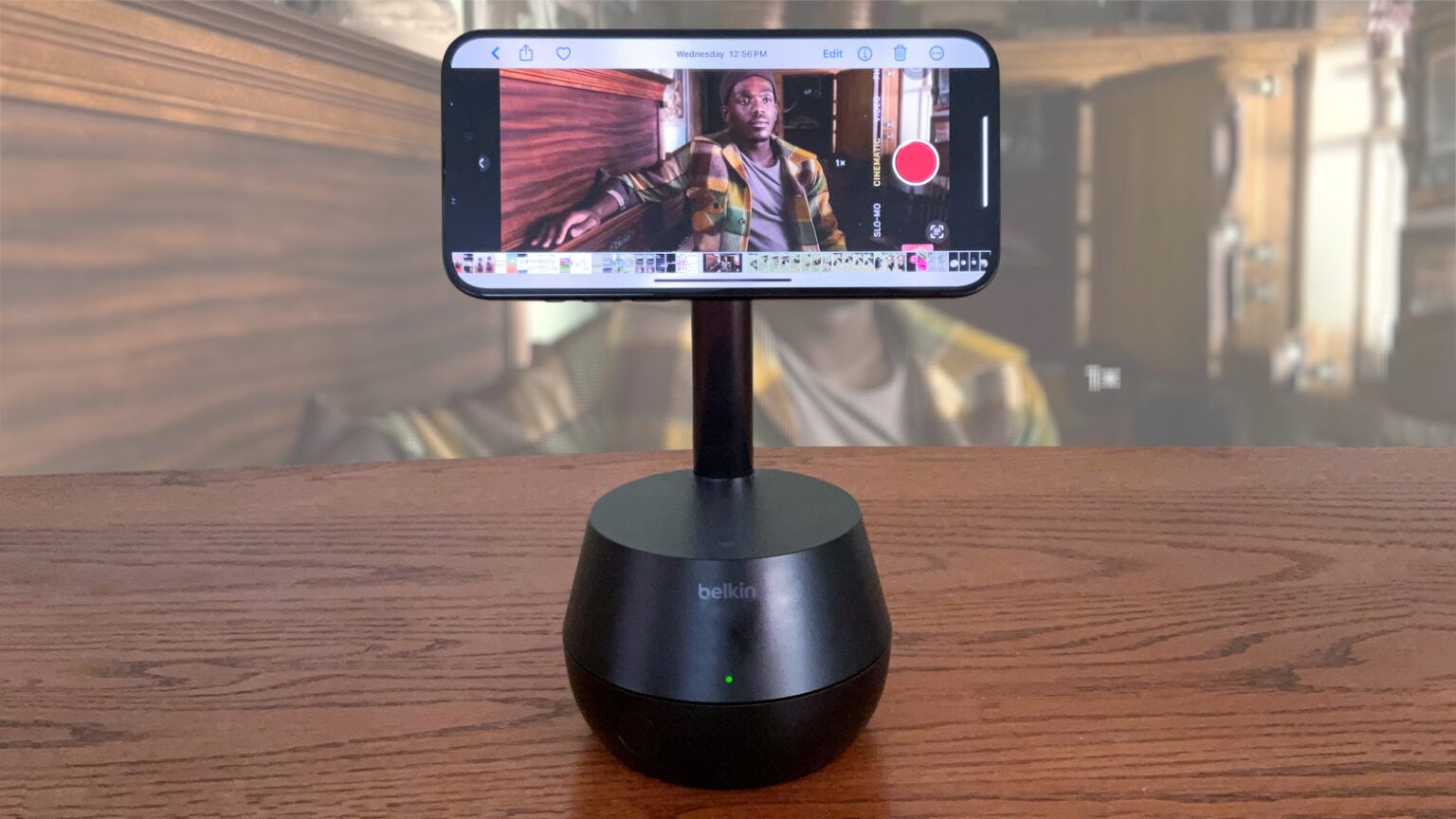
Enhance your video calls and content creation with the Belkin Auto-Tracking Stand Pro. Photo: Ed Hardy/Cult of Mac
The Belkin Auto-Tracking Stand Pro can hold up an iPhone, rotate and tilt to keep the camera focused on the user during video calls. It’s wish fulfillment for every TikTok or YouTube creator working alone. The same goes for anyone who’s frequently in video conferences.
I went hands on with the accessory and my iPhone 15. And wow, this thing is impressive.
There's an AirTag hidden in there somewhere. Photo: Device Therapy
The Device Therapy Bike Mount & Reflector gives you a place to hide an Apple AirTag tracker. With this combination, you can (hopefully) track the location of your bike if it gets stolen because millions of iPhones around the world can report the location of your lost item.
These are all the best games on Apple Arcade. Image: D. Griffin Jones/Cult of Mac
It’s hard to know where to start on Apple Arcade because the service offers so many titles. But we scoured the catalog and found all the best Apple Arcade games so you can get right to the good stuff.
★★★★☆
My Silybon ergonomic office chair is solid after 6 months of use. Photo: David Snow/Cult of Mac
Looking for a better office chair? You don’t have to spend several hundred dollars or more. I’ve found the Silybon Ergonomic Office Chair does a good job for about $110 after a discount.
With a history of back trouble, I was a little nervous about the purchase. But it’s a good, comfortable chair paired with a standing desk, so my back is fine.
★★★★☆
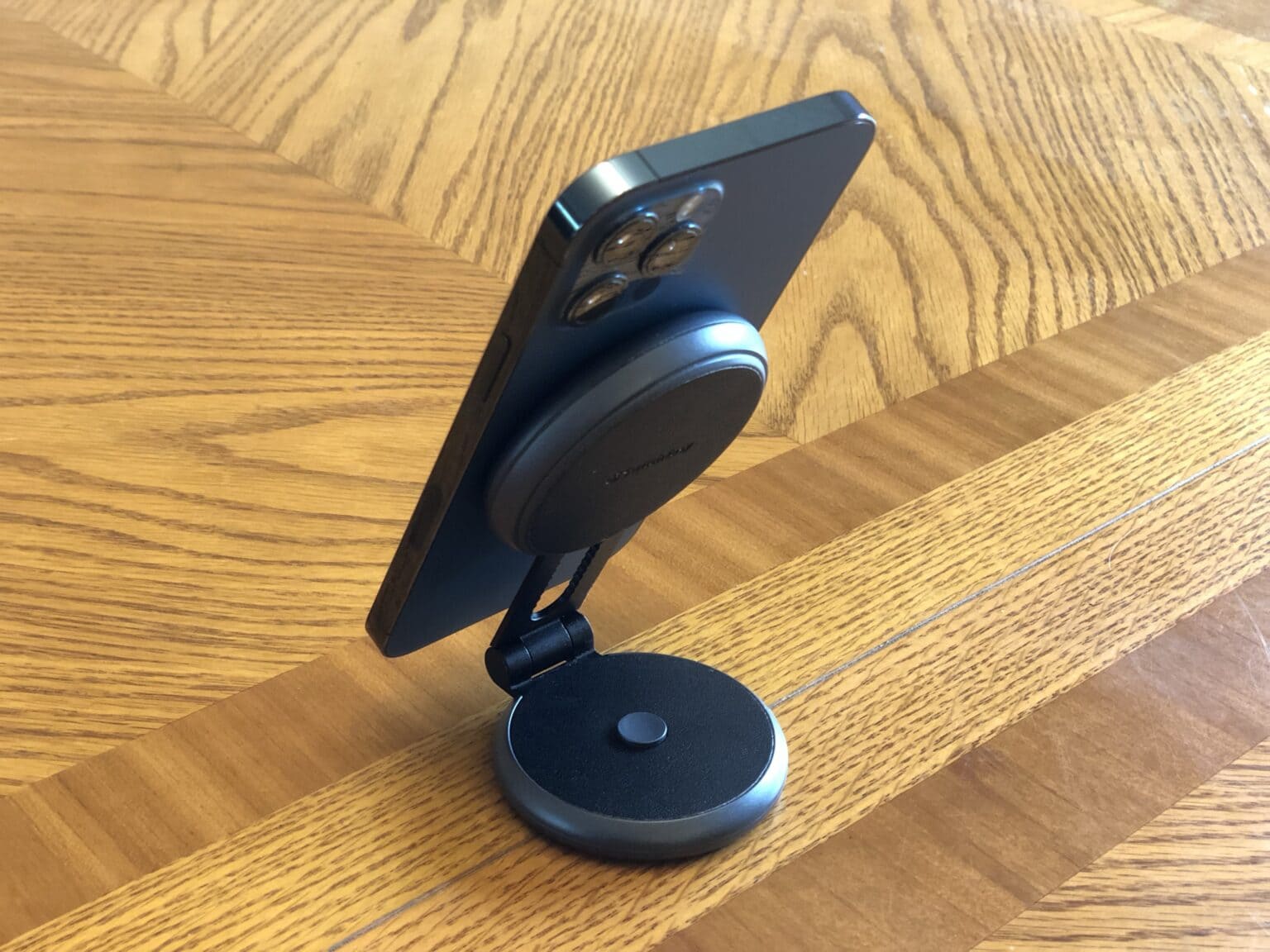
It’s a portable, foldable iPhone stand. Photo: D. Griffin Jones/Cult of Mac
The SwitchEasy Orbit Universal Magnetic Stand is an incredibly handy little stand that’s sturdy and easy to use. It’s seamlessly blended into my daily iPhone habits — and unlike most products I review, everyone I show it to instantly wants one.
The handy stand props up your iPhone on a table, desk or kitchen counter. Its puck shape allows you to orient your phone vertically or horizontally. It collapses and folds flat, so you can carry it around.
You can also stick on double-sided tape and attach it to the back of your monitor as a camera mount for your iPhone.
I’ve been using it for a few months now at my desk and around the house. Here’s why I recommend it.
★★★★☆
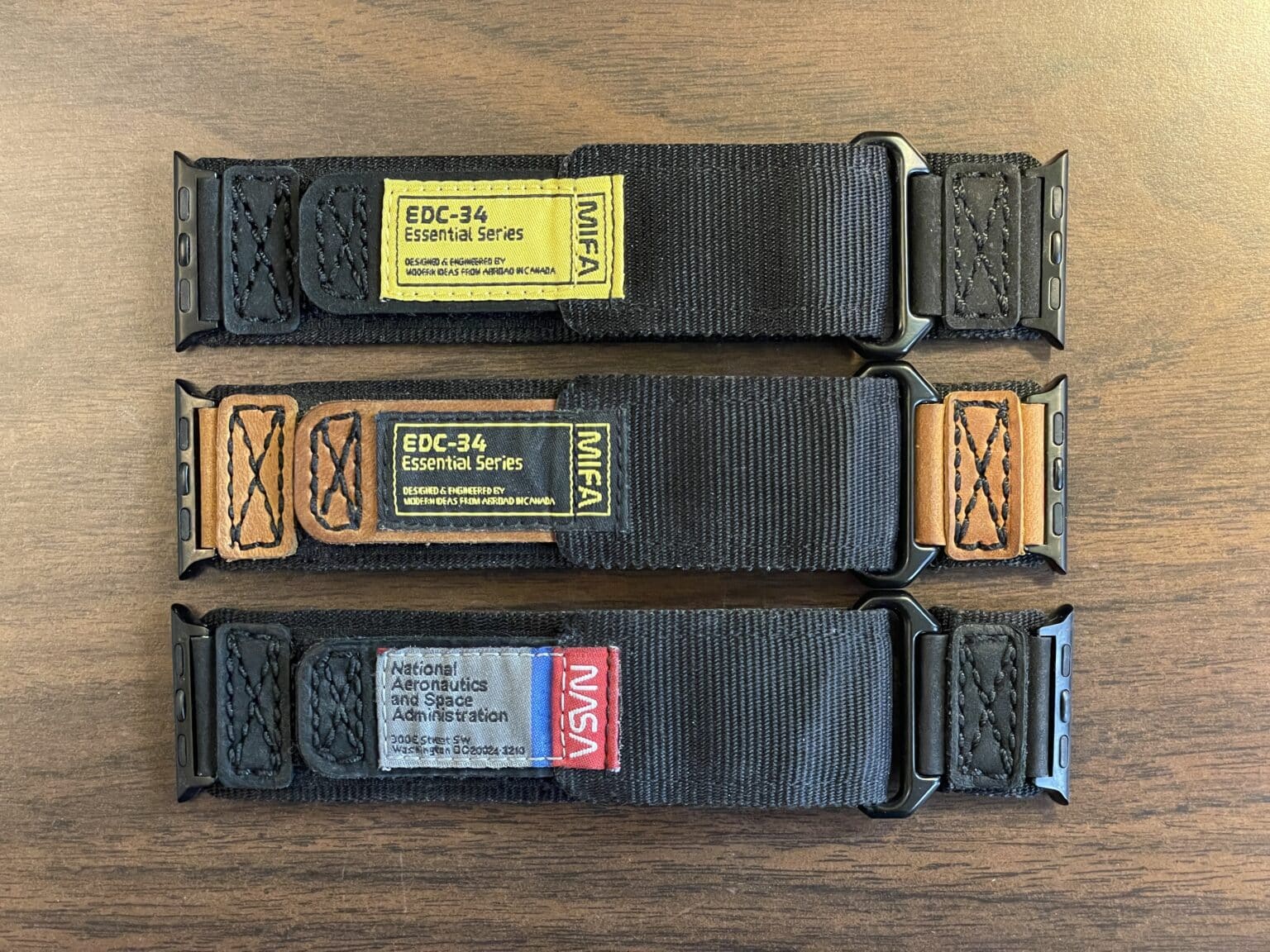
The same high-quality velcro Apple Watch band comes in these three variants. (A new green model comes with a different NASA logo.) Photo: D. Griffin Jones/Cult of Mac
If you’re looking for a hardy velcro EDC watch band for your Apple Watch, Mifa has you covered. Mifa’s Nylon Sports Leather Apple Watch Band is sturdy, the velcro is strong and the stitched leather is high-quality.
It’s a nice band for daily wear.
It comes in five different styles. The gray-on-black NASA-inspired design is my favorite. Two other designs in brown and black emphasize “EDC-34 Essential Series” with the Mifa name. And two new versions (in green and orange) sport NASA’s classic “meatball” insignia.
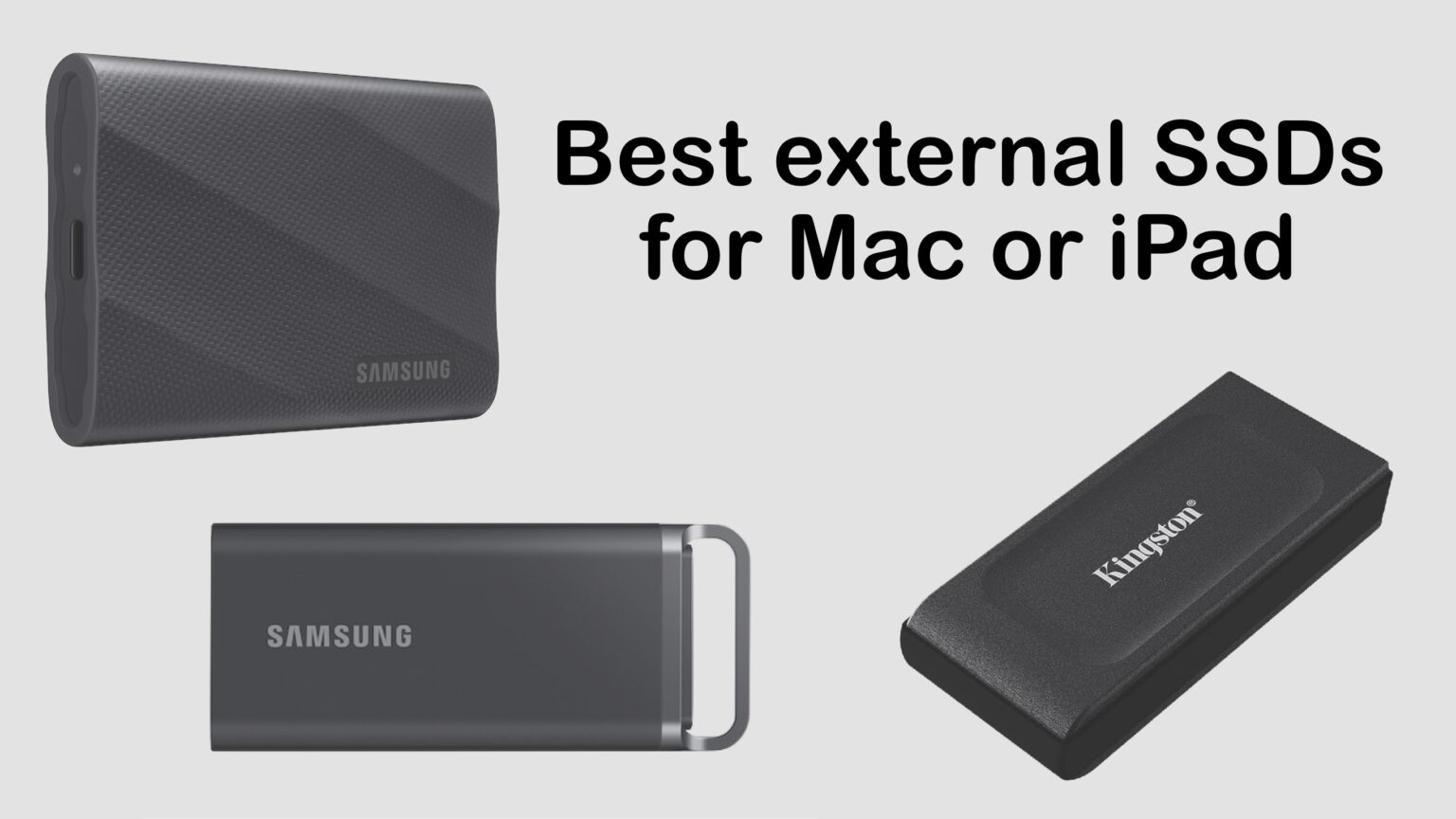
The best external SSD options add terabytes of storage, and are designed for portability. Photo: Ed Hardy/Cult of Mac
Adding high-speed plug-in storage capacity to your computer is so easy it’s something every Mac user should consider. Here are some of the best consumer-oriented external SSDs that are designed for portability.
Today is World Backup Day, which seems a good opportunity to explore external storage options. Especially as there are deals on some of the best SSDs available.
Could it be? Yeah, I think so. Image: D. Griffin Jones/Cult of Mac
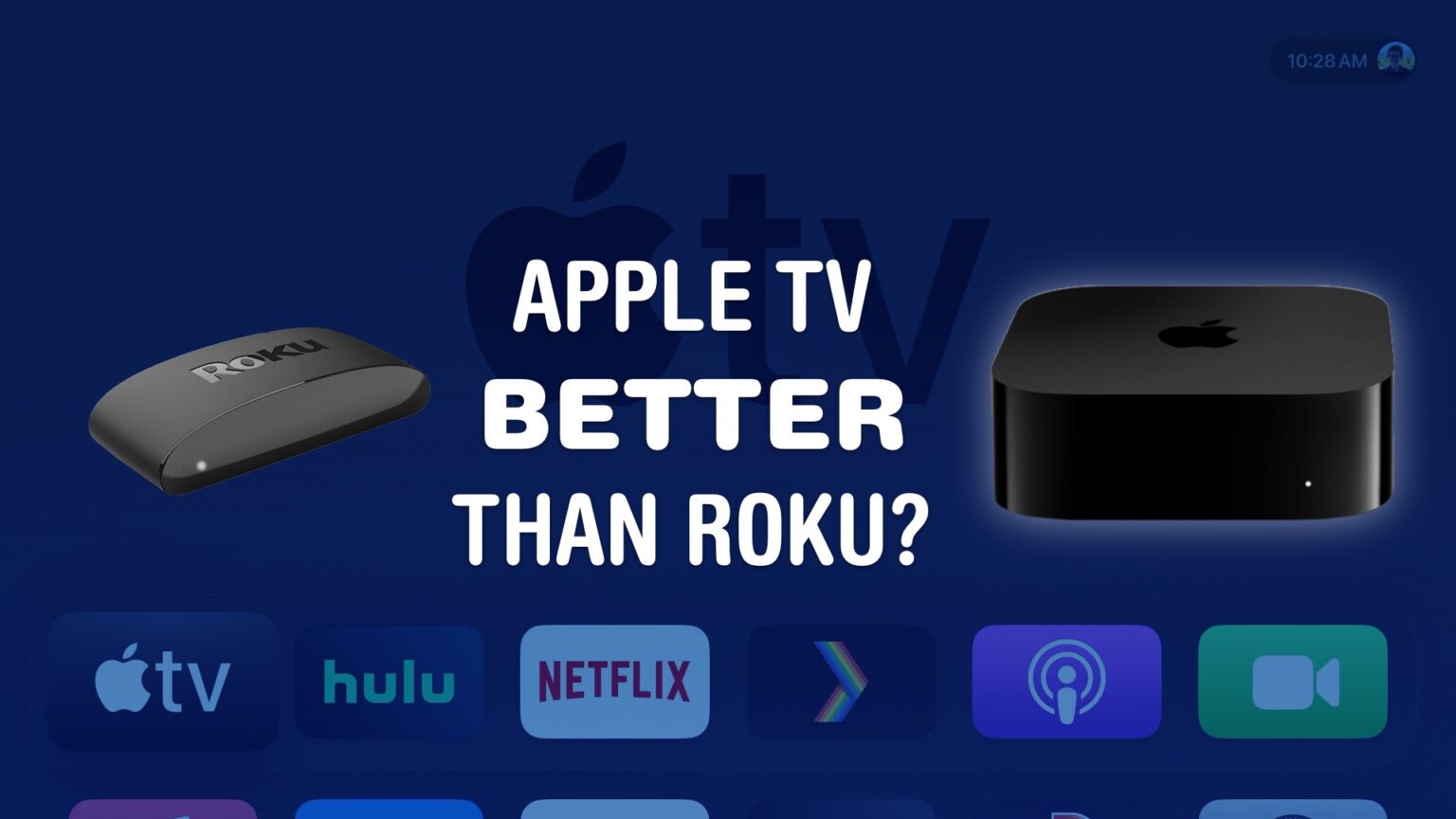
Comparing the Apple TV vs. Roku vs. other smart TV products, there are a lot of good reasons to stick with Apple’s offering — even though it’s more expensive.
Roku is the more popular product, selling plug-in devices for as little as $30. And if you buy a new TV today, it’s probably running Roku or Google TV software. Although the latest Apple TV 4K is a pricey $129, it offers better privacy protection, it’s easily controlled with your iPhone and Apple Watch, makes FaceTime calls, plays better games and runs faster.
★★★★☆
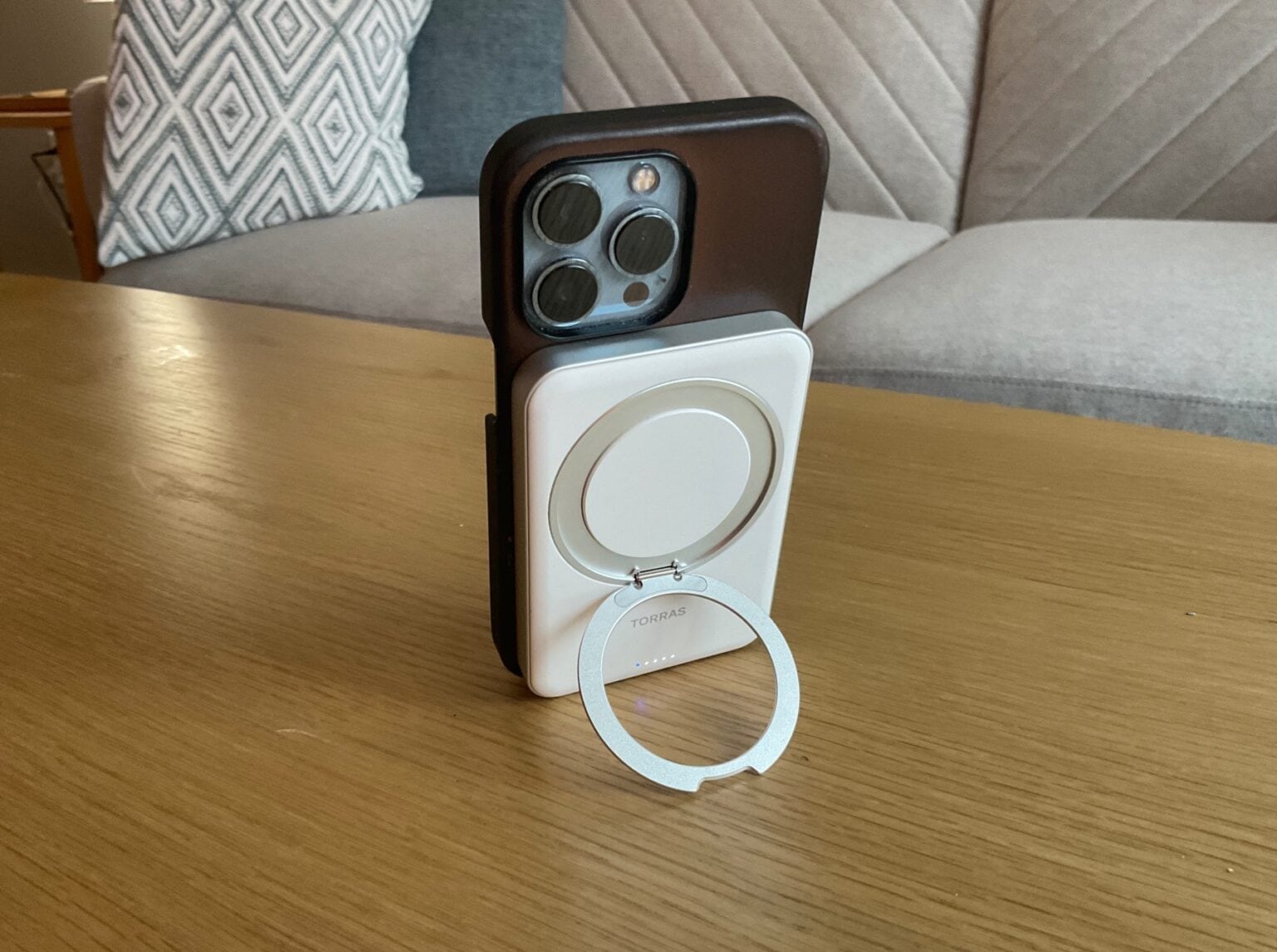
Torras Ostand Power Bank serves as a stand and wireless charger for iPhone. Photo: David Snow/Cult of Mac
The compact and slim Torras Ostand Power Bank is a second battery for your iPhone, providing 15-watt fast charging whenever and wherever you need it. It also serves as an iPhone stand and can charge other devices, like iPad, too.
Torras sent me a 5000mAh Ostand Power Bank to try. And it did not disappoint. Doing exactly what it claims to do, the device offers good value — especially while it’s discounted for the Amazon Big Spring Sale (see below).
Audiences are thrilled by Constellation on Apple TV+. Photo: Apple TV+
Apple TV+ pumped up its reputation as a hub for thought-provoking and visually stunning science fiction with Constellation, a series that’s part sci-fi, part horror and part family drama. The intricately plotted space thriller’s season finale airs Wednesday. And, as the season concludes, the show must clear a high bar to make the ending ring true.
After all, hit TV mysteries like Lost disappointed lots fans with their finales. And those same sci-fi fans (and their kids) are sick of being disappointed.
UPDATE: The show’s season finale is satisfying but does not “solve” the mysteries of space travelers’ fractured realities as much as it deepens them while inviting viewers, along with characters, to accept them. In some ways the show seems like a metaphor for mental illness as an unavoidable part of the human condition. The victim and their loved ones must accept what they cannot change so they can move on. And my Lysenko theory, below, turned out to be correct.
★★★★★
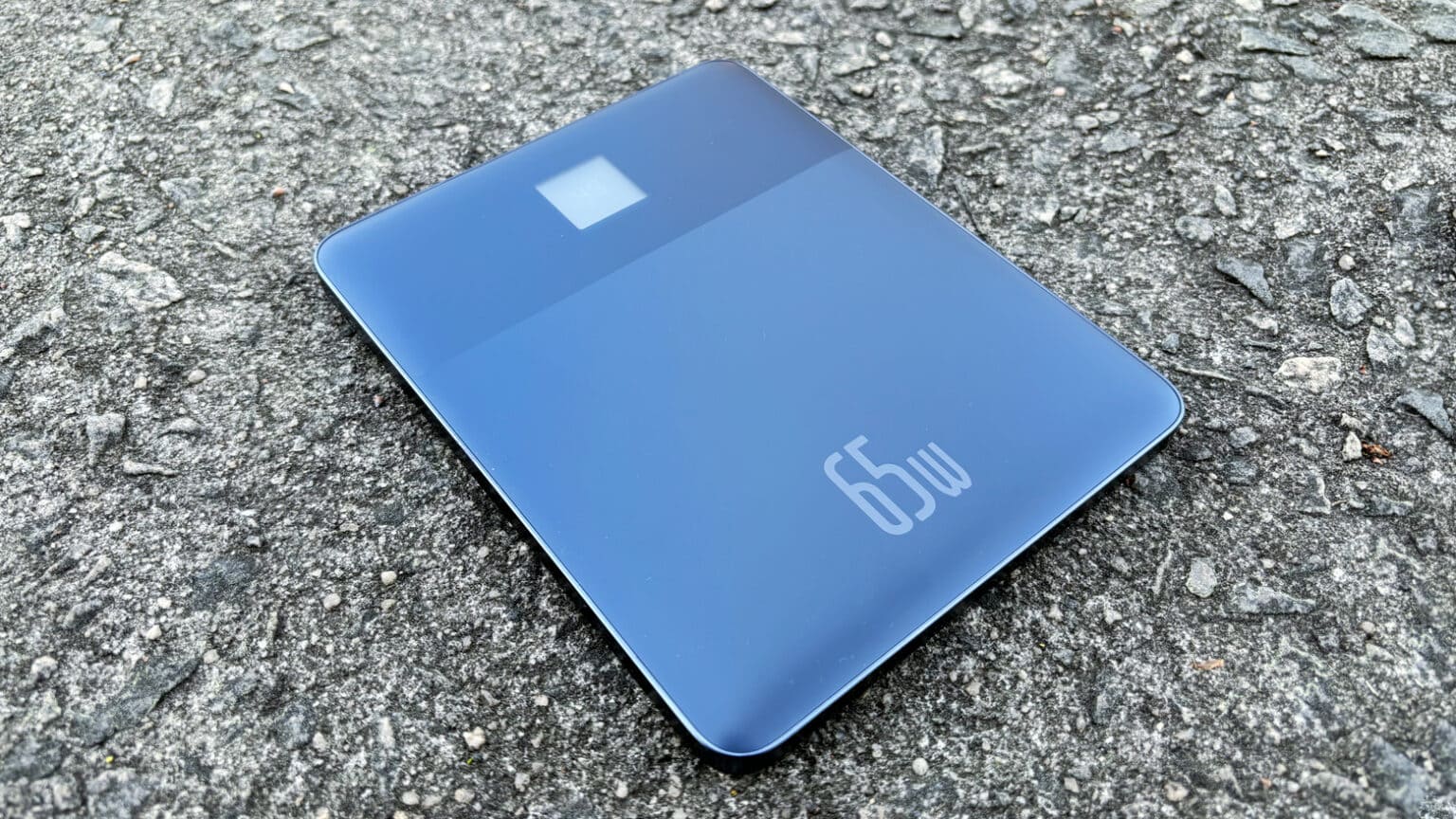
Baseus Blade 2 is just the right shape to fit easily in a bag with your MacBook or iPad. Photo: Ed Hardy/Cult of Mac
Baseus Blade 2 Ultra-Thin Laptop Power Bank is loaded with great features, including two USB-C ports, 12,000 mAh of capacity, a max of 65W output and a built-in status display.
But what sets it part from the pack is its design. It’s slim enough to go easily into bags designed for MacBook and iPad. And it’s relatively lightweight, too.
I tested the Baseus Blade 2 with my gear. Here’s how well the accessory lived up to its promise.
On sale: Baseus is offering $30 off the regular cost. But the deal ends soon.
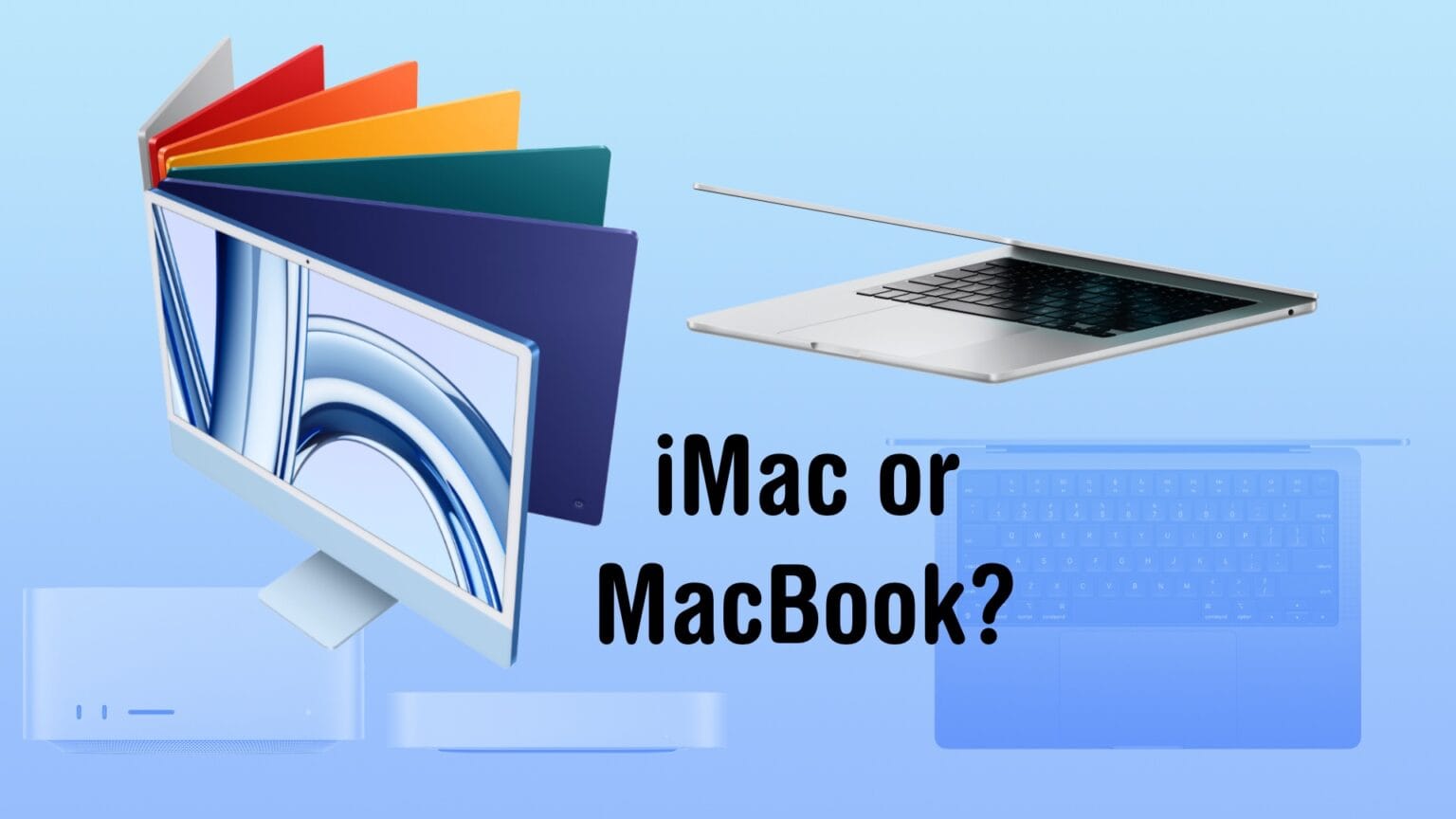
The age-old question. Image: Apple/D. Griffin Jones/Cult of Mac
Should your next Mac be a portable or a desktop? More than 90% of Macs sold are laptops, and it’s easy to see why — MacBooks are light while offering best-in-class performance and battery life. Still, the “iMac vs. MacBook” quandary remains.
In fact, there are some compelling reasons to stick to the iMac (or other desktop Macs like the Mac mini or Mac Studio). You save money and also wind up with a more reliable machine.
★★★★☆
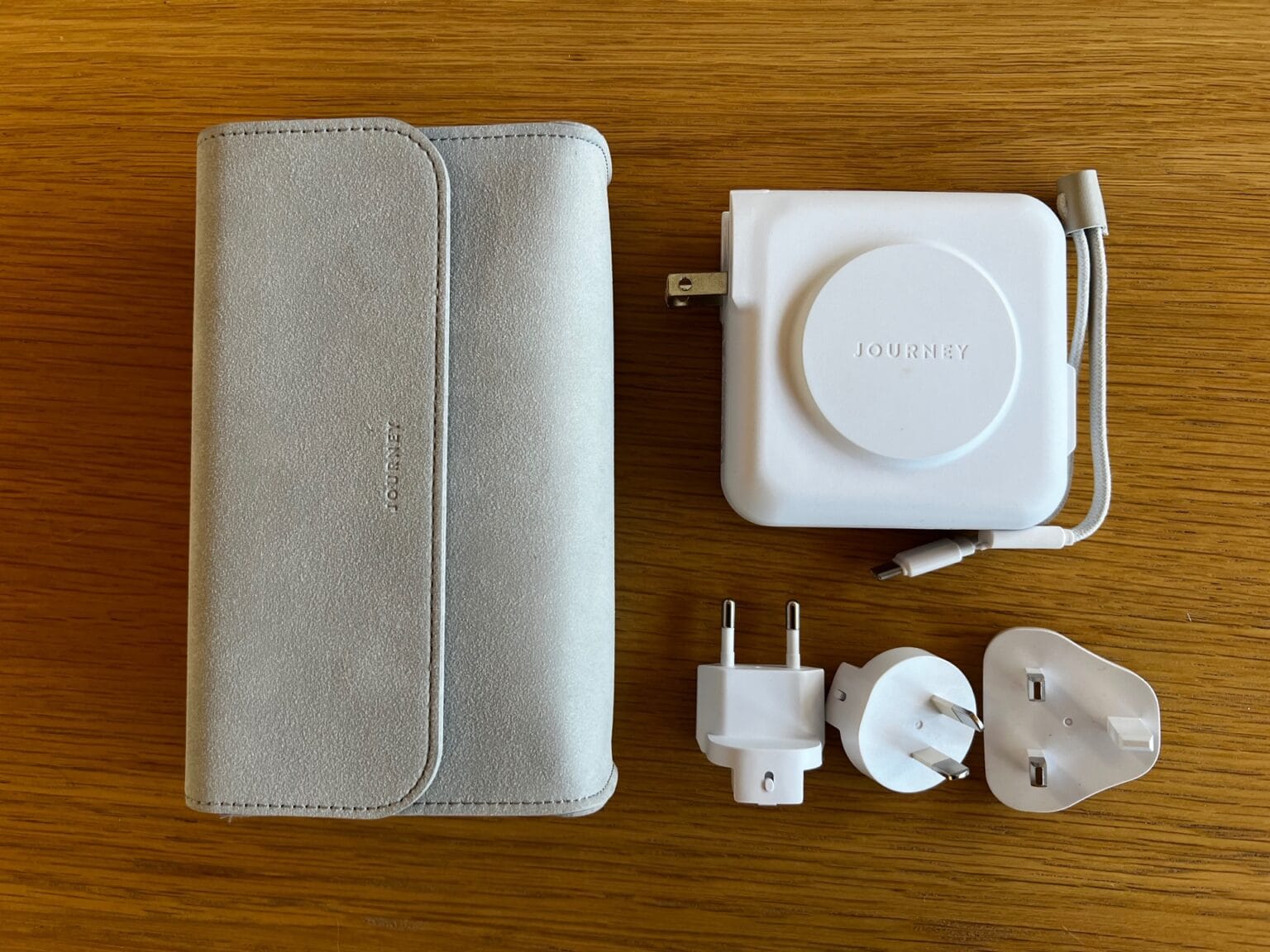
With Journey's Axie, you can keep your gadgets going all over the world. Photo: David Snow/Cult of Mac
Journey’s new Axie 10,000mAh Global Charger and Power Bank is a handy, MagSafe-compatible 3-in-1 charging device that comes with three extra plugs and a travel case for use worldwide.
It’s designed for international travel. But it’s a great little charger for use at home, too, as a wall charger or as a power bank you can take on the go to keep your iPhone and two other devices juiced.
★★★★★
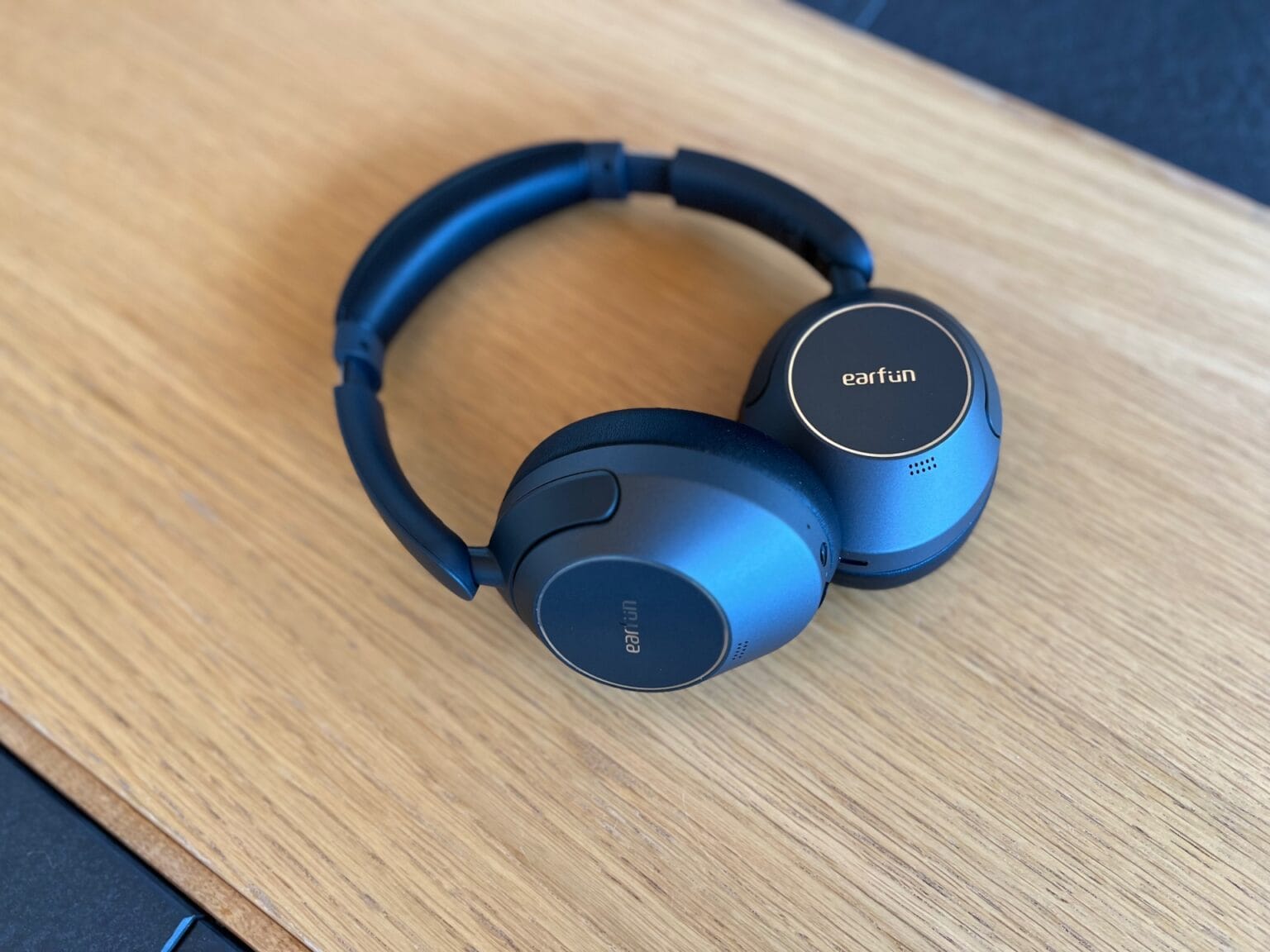
EarFun Wave Pro headphones have great features, sound quality, noise cancellation and battery life for the money ($80). Photo: David Snow/Cult of Mac
Listening to music through EarFun’s first over-ear headphones — EarFun Wave Pro, released Monday — I almost couldn’t believe the high quality sound and wonderful comfort they offer. That’s why I give the set 5 stars in this EarFun Wave Pro headphones review.
It’s flat-out astonishing that someone can offer this level of audio quality, noise cancellation, comfort and battery life for $80.
With AirPods Max rarely marked down much from their lofty $549 price, you have to wonder why people spend that much, or even $300, for a great set of cans.
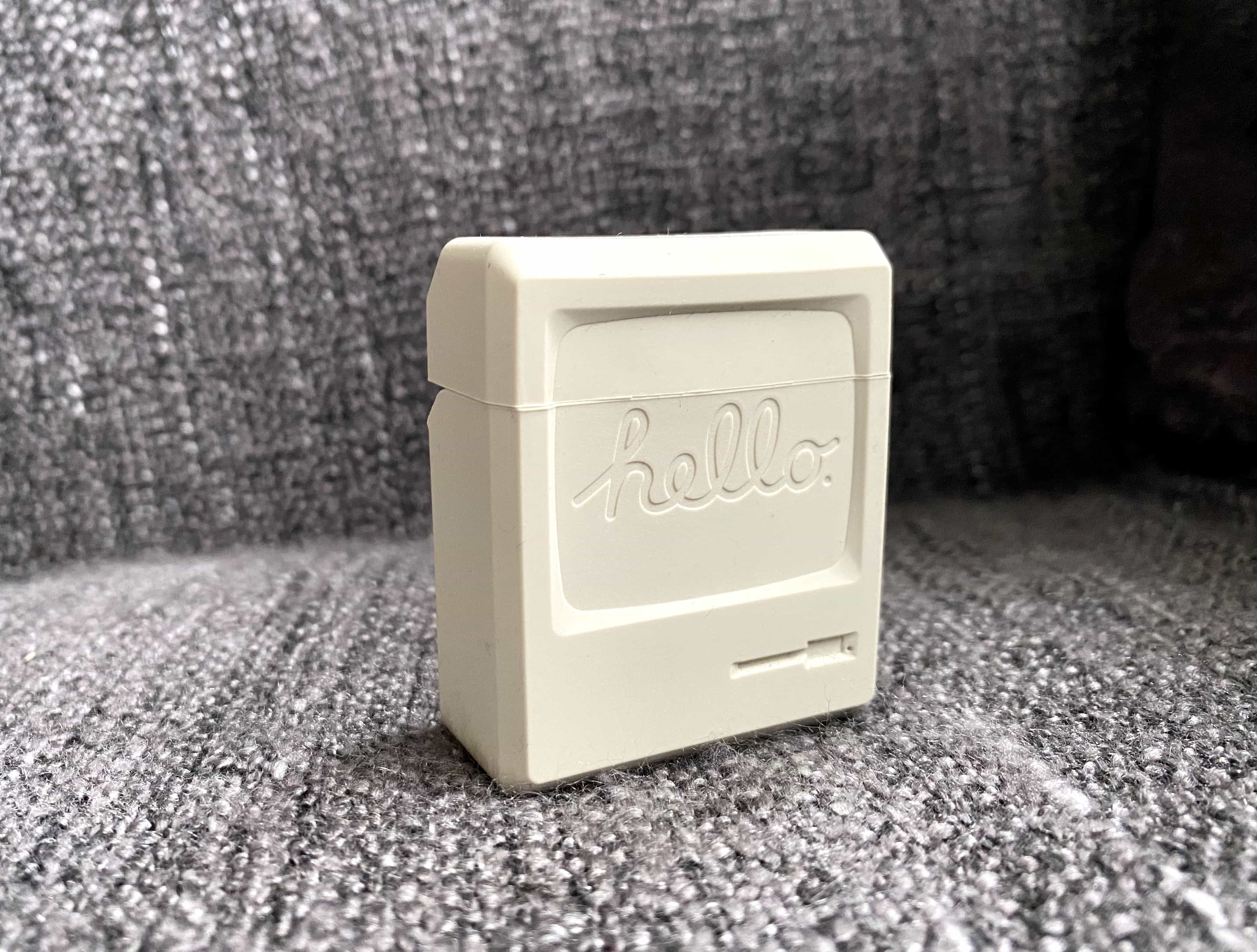
It looks like a tiny Macintosh! Photo: Killian Bell/Cult of Mac
AirPods won’t win any awards for their durability. Their shiny plastic case picks up scratches faster than a hip-hop DJ’s latest vinyl. So you should protect them with a decent case. And for Apple fans, nothing can beat this AirPods that case looks like a Mac.
AirPods cases don’t come much cooler than those from Elago. This one is like carrying a tiny little Macintosh with you wherever you go. And prices start at just $11.99.
★★★★☆
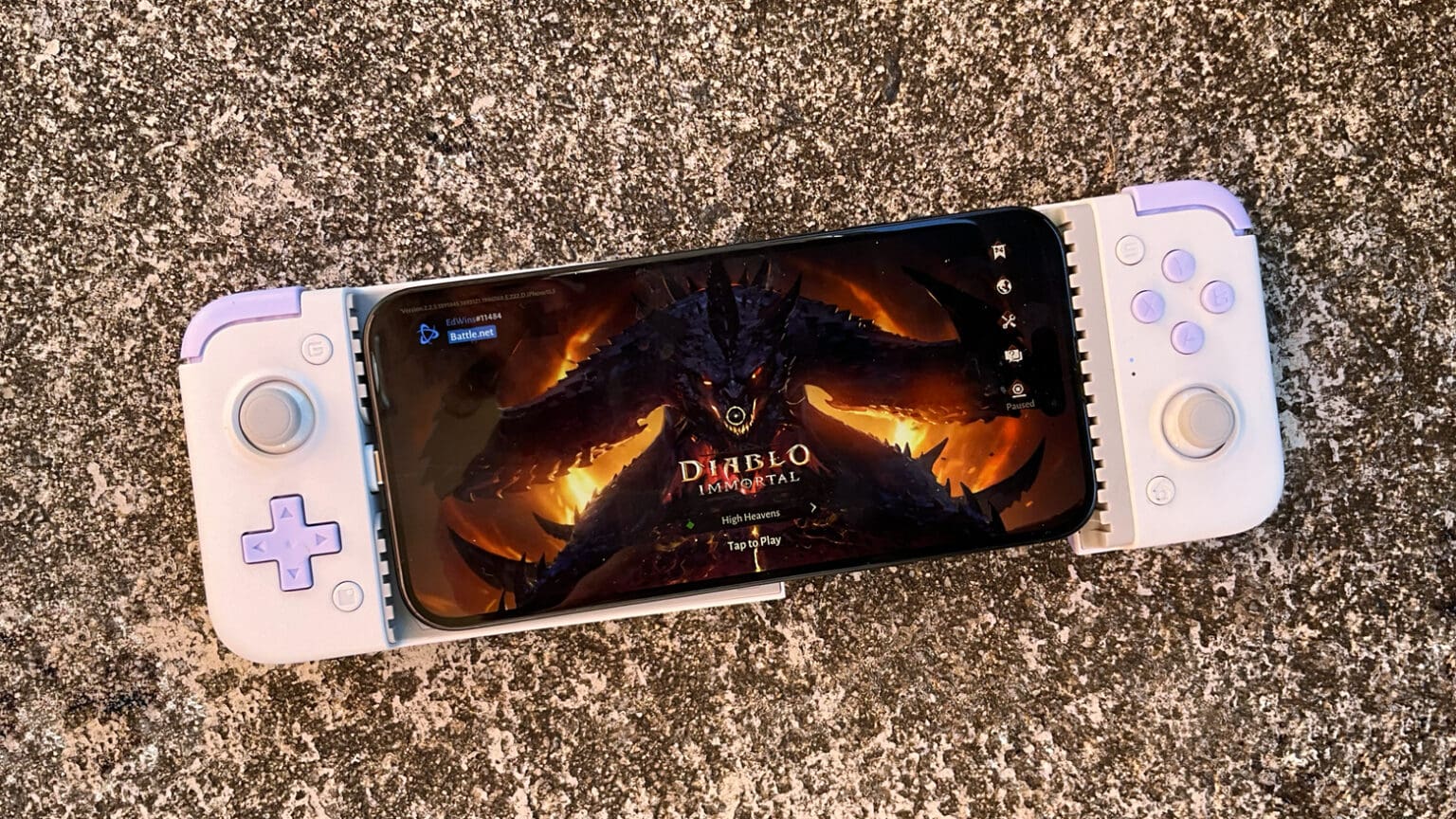
Say goodbye to virtual controls and hello to precise joystick and trigger inputs with GameSir X2s Type-C Mobile Controller. Photo: Ed Hardy/Cult of Mac
The GameSir X2s Type-C Mobile Controller is ready to make your mobile gaming so much better. Wrap the telescope design around your iPhone 15 to be ready for your favorite RPG, FPS and other advanced games.
It boasts Hall Effect sticks and triggers in a familiar arrangement, but is always ready for you to pick it up and go.
I tested it with my iPhone 15 and had quite a lot of fun. It also works with Androids. And if you’re still rocking a Lightning-enabled iPhone, don’t feel left out — GameSir has a version for you, too.
★★★★☆
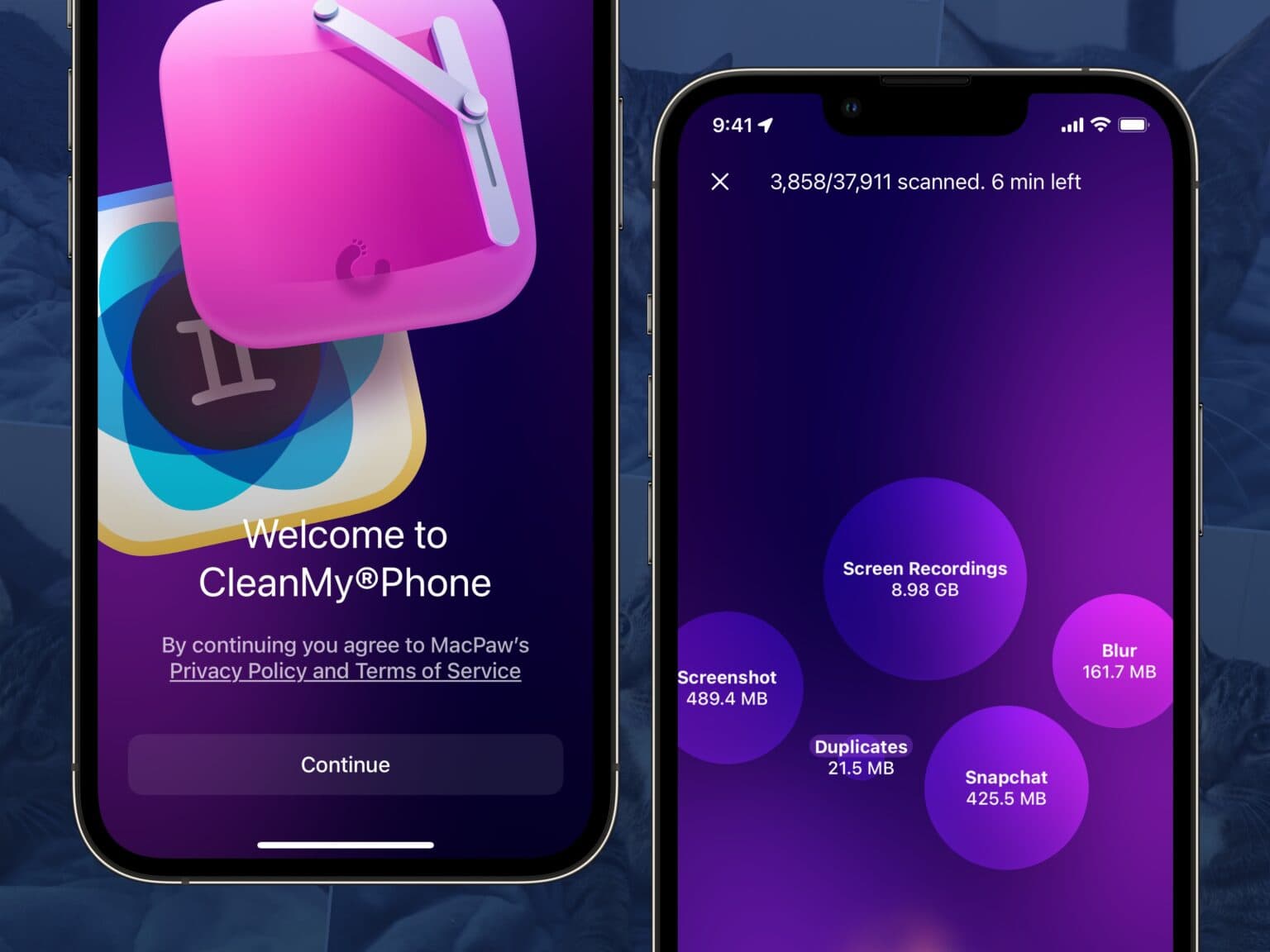
Clean out years of bad pictures. Image: D. Griffin Jones/Cult of Mac
CleanMyPhone is a new app that will tidy up your photo library. Developed by MacPaw, maker of CleanMyMac X, the new app can do a thorough scan of images on your iPhone to clear out years of screenshots, saved TikToks and unusably blurry shots. It’s a simple way to clean up photos on your iPhone.
It also uses artificial intelligence to sort your photos into handy categories. Plus, it makes it simple to periodically look at the last week or month of your photos to sort things into albums and stay organized. As a bonus, the app comes with an internet speed test — good for checking if your connection is solid enough to take an important video call.
★★★★☆
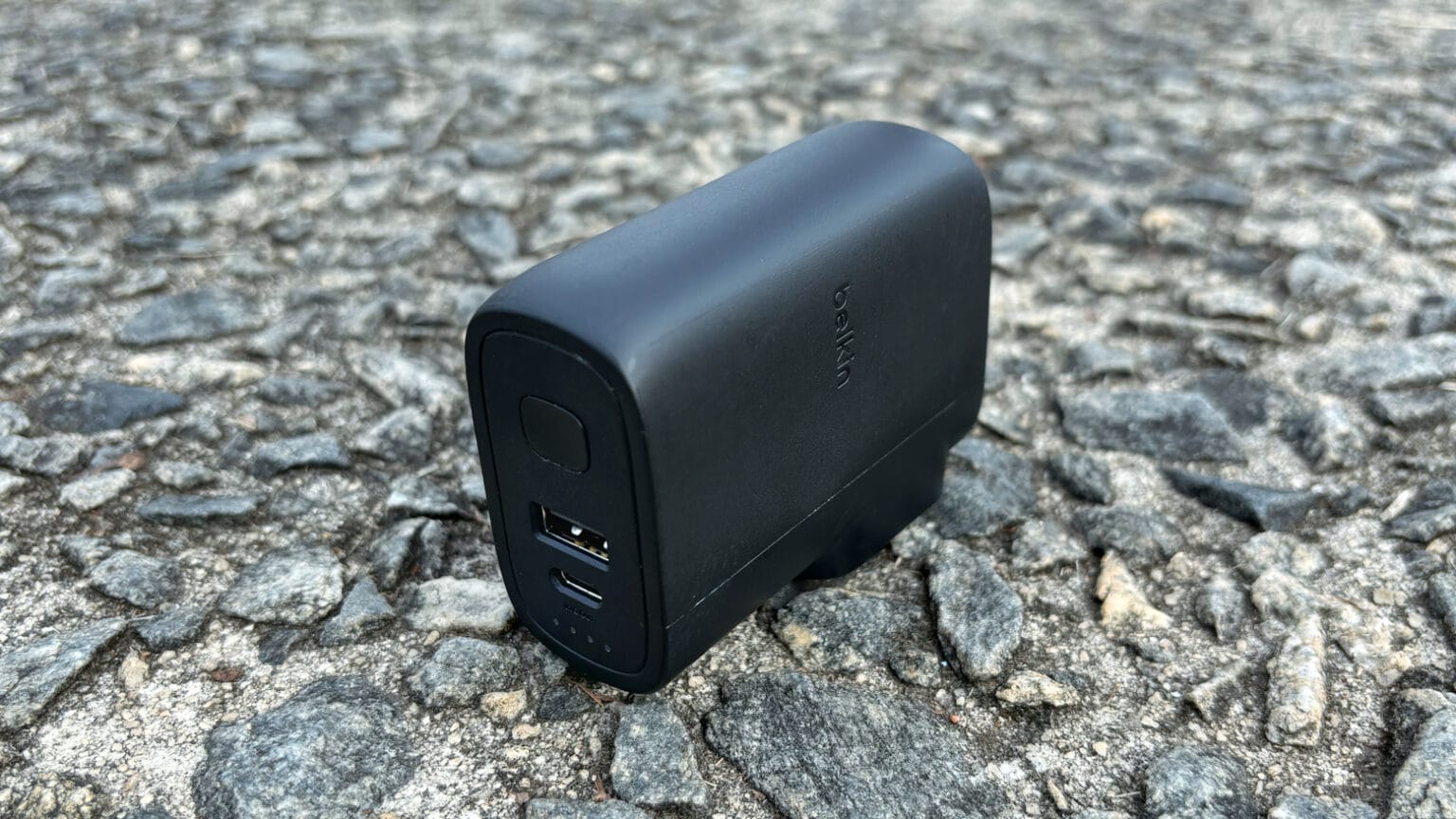
Juice up your devices even when there's no power socket in sight with Belkin's wall charger and power bank. Photo: Ed Hardy/Cult of Mac
A wall charger is useless when there’s no power socket handy. That’s why Belkin recently launched one that has a built-in battery so it’s ready to charge up your iPhone even when you’re off the grid.
Belkin BoostCharge Hybrid Wall Charger 25W + Power Bank 5K has a pair of USB ports and flip-out power prongs for maximum adaptability.
I put it through a series of tests with my iPhone 15 Plus, and it came through quite well.
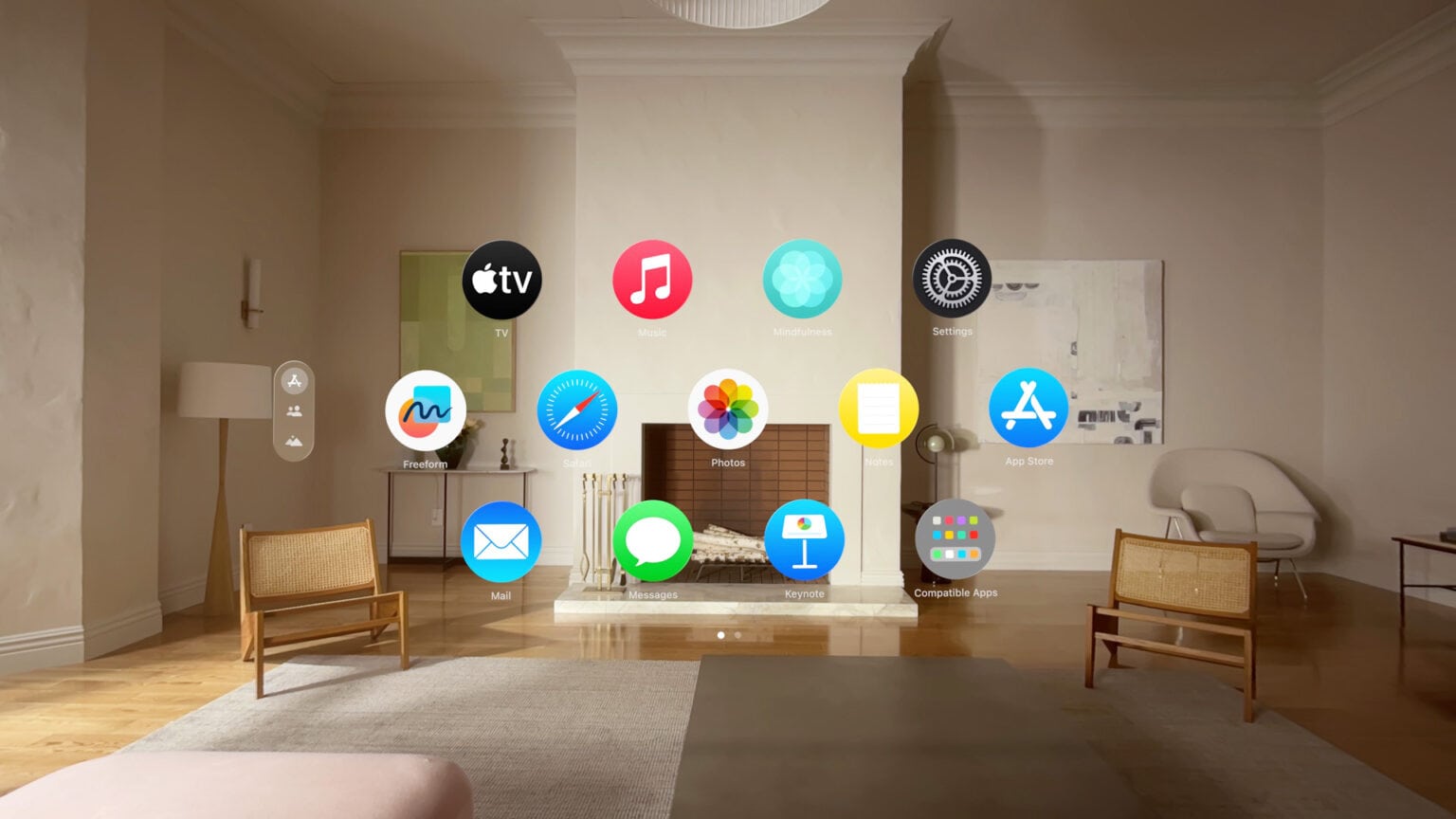
We’ve found all the neatest apps for Apple’s latest device. Image: Apple
The best Vision Pro apps, games, demos and experiences showcase the AR capabilities of Apple’s headset.
If you own a Vision Pro and don’t know where to start, I put together a list of apps and games to try out first. Alternatively, if you can’t afford a headset (or if you live outside the United States), you can live vicariously through me as I show you all of the most interesting Vision Pro apps I’ve found.
★★★★☆
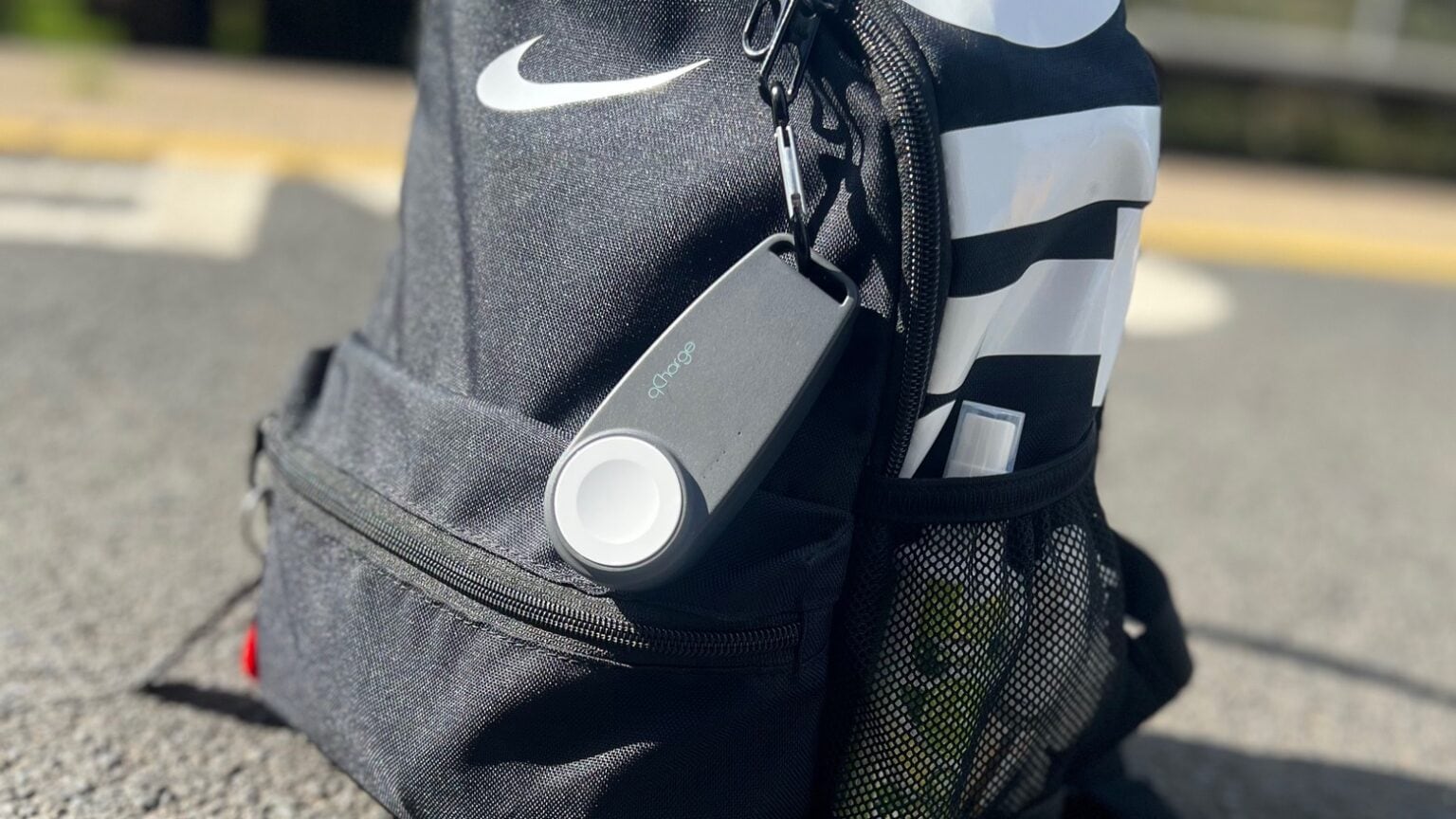
qCharge 2.0 is a combination Apple Watch charger and battery ready to go where you go. Photo: Adel Neal/Cult of Mac
qCharge 2.0 from Citius Systems is a power bank with built-in charger especially for Apple Watch. With one of these, you can replenish the device almost anywhere, no wall socket needed.
I tested it out with my own Watch. Here’s why I like it.
Awesome Mac apps of the week. Photo: Midjourney/Cult of Mac
In this week’s Awesome Apps roundup, you’ll find apps for managing files, using AI to boost your writing, and turning an iPad into a creative input device for a Mac.
And if all that productivity wears you out, we’ve got other options. You can relax with a charmingly peaceful Apple Arcade game with a delightful Japanese theme. Or you can blast enemy spaceships in an arcade-style game that’s great on iPhone — but even better on Vision Pro.