Steve Jobs was a Buddhist, a religion founded on the concept of the impermanence of all things.
And everything is impermanent. Especially Apple products.
A lot of users complain about Apple’s everything-is-temporary philosophy. But I think Apple will increasingly embrace it — and even launch a social network whose main feature is the deletion of your posts.
And just like that, the old Apple is dead, and a new Apple is born. I believe you’ll see massive changes to Apple products by next summer.
Apple had to re-create its products to correct a recent string of failures, including the catastrophic Maps debacle and the ongoing train wrecks that are Siri and skeuomorphic design.
Now that Google has unveiled its Trifecta of Nexus devices, I can’t help but feel underwhelmed. I can’t exactly pin-point why I feel this way, but alas, I do. Perhaps my perception of what a Nexus device should represent has become misguided. I’m not sure when I began to expect more than just a Vanilla experience, but the latest batch of Nexus devices has knocked me back to the reality that “Nexus” means nothing more than having an untainted Android OS with certain end-user freedoms and timely updates.
Microsoft, Nintendo, Sony, Google and all the big-screen TV makers want to own the the all-purpose living room entertainment system of tomorrow.
Smart TV systems, which will incorporate movies-on-demand, gaming, web surfing, videoconferencing, home automation and more (even TV shows!) are likely to become the next big opportunity for content-driven platform companies.
But is time running out for Apple to make its move?
The surprising answer is: No, not really. Apple’s got plenty of time. And there’s no need for Apple to make a TV set, either.
The iPad Mini was announced today, and frankly, it missed the mark. The iPad Mini will simply have no effect on non-Apple users. Apple needed to go $299 or less to make the iPad Mini seep into consumers heads and play devil’s advocate. At $329, that simply isn’t going to happen.
iPad mini is thinner than Kindle Fire, Nexus 7, even iPhone 5
A few days after the iPhone 5 was released to the public – just a few weeks ago – people started commenting on how thin and light it was. “You really have to pick it up and feel it in your hands,” was a common thread of these comments. Sure, it looked amazing: but it felt amazing too.
Today’s announcements are a direct continuation of the theme that began with the iPhone 5, and set the tone for the next generation of Apple hardware. From now on, Apple’s message is clear: “No-one does thin like we do.”
Apple’s Maps app is a bomb. A stinker. A sign of the company’s impending doom at the hands of Tim Cook, the CEO who replaced the irreplaceable Steve Jobs.
Landmarks are in the wrong place. Roads are missing. The 3D Flyover view looks like a collapsed sponge cake. There are no directions for buses, bikes or pedestrians. Entire cities are marked as hospitals, the Golden Gate Bridge is in the wrong place, and even Apple’s own retail stores can’t be found. It’s such an embarrasment, Tim Cook apologized for its suckiness.
But if you live in San Francisco, the Maps app rocks. I’ve been using Maps for weeks and I’ve fallen in love with it. I use it even if I’m *not* using it, just to watch the gorgeous 3D display unfold as I’m driving around.
Apple’s Maps app is by far the best maps sofware around. Tim Cook is a wussy. You’d love Maps too — if you lived in a geography where it works.
The Apple iPhone has become the poster child for the problems of Chinese and American labor.
One strain of conventional wisdom goes that while rich, entitled Western elites whine and complain over trivial issues like maps and purple haze on screens, abused, exploited Chinese factory workers slave away to make those iPhones in unsafe factories and under exploitative conditions.
The iPhone represents the shafting of the Chinese worker.
Another strain of conventional wisdom goes that greedy Apple (and other companies) ships factory jobs overseas to China, where Chinese factory workers get all the jobs, and American workers are left in the unemployment line.
The iPhone represents the shafting of the American worker.
Here’s an idea. Let’s stop accepting these brain-dead caricatures, and insist on the truth about iPhones, factories and workers.
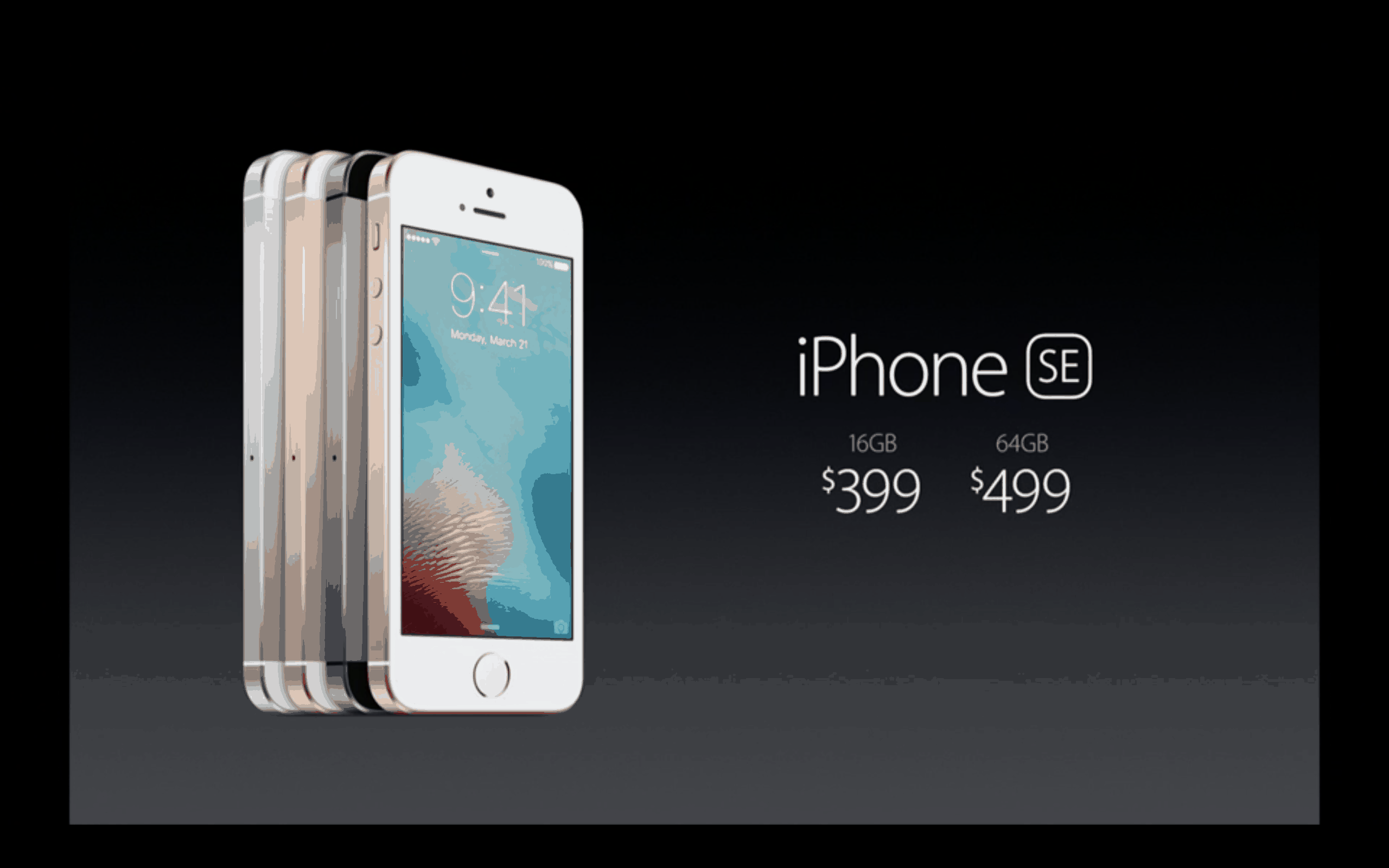
Another year, another iPhone. Since 2007, Apple has been churning these gadgets out like it’s a bodily function. Each iPhone is undeniably better than the last, although sometimes not in every respect.
iPhone fans always say it’s the best phone because it has the best overall user experience, best out-of-box experience, best industrial design, best selection of apps and a few other things perceived as being “best.”
But the iPhone itself is not the best thing about the iPhone platform. It’s the universe of crazy customization and expansion products that support the iPhone.
This is a guest post by Ken Segall, a Silicon Valley advertising executive who worked closely with Steve Jobs. Among other things, Segall put that little “i” in front of the iMac and helped develop Apple’s famous Think Different ad campaign. Segall is author of Insanely Simple, a very readable insightful account of what makes Apple tick.
Last time Apple went heavy on advertising in a sporting event, it didn’t exactly end well.
But let us not speak of the Genius anymore. All traces of that campaign have been hidden from our sight.
Now the baseball playoffs are here. And once again, Apple has made a very expensive media buy. This time, it’s blanketing the games with the new iPhone 5 ads.
But look. Someone else has moved into the neighborhood. Samsung showed up for the playoffs with equal force, in the form of its Galaxy S III ads. You know — the ones that make fun of the lost souls who line up to buy an iPhone, when they could just as easily have a much cooler Samsung phone.