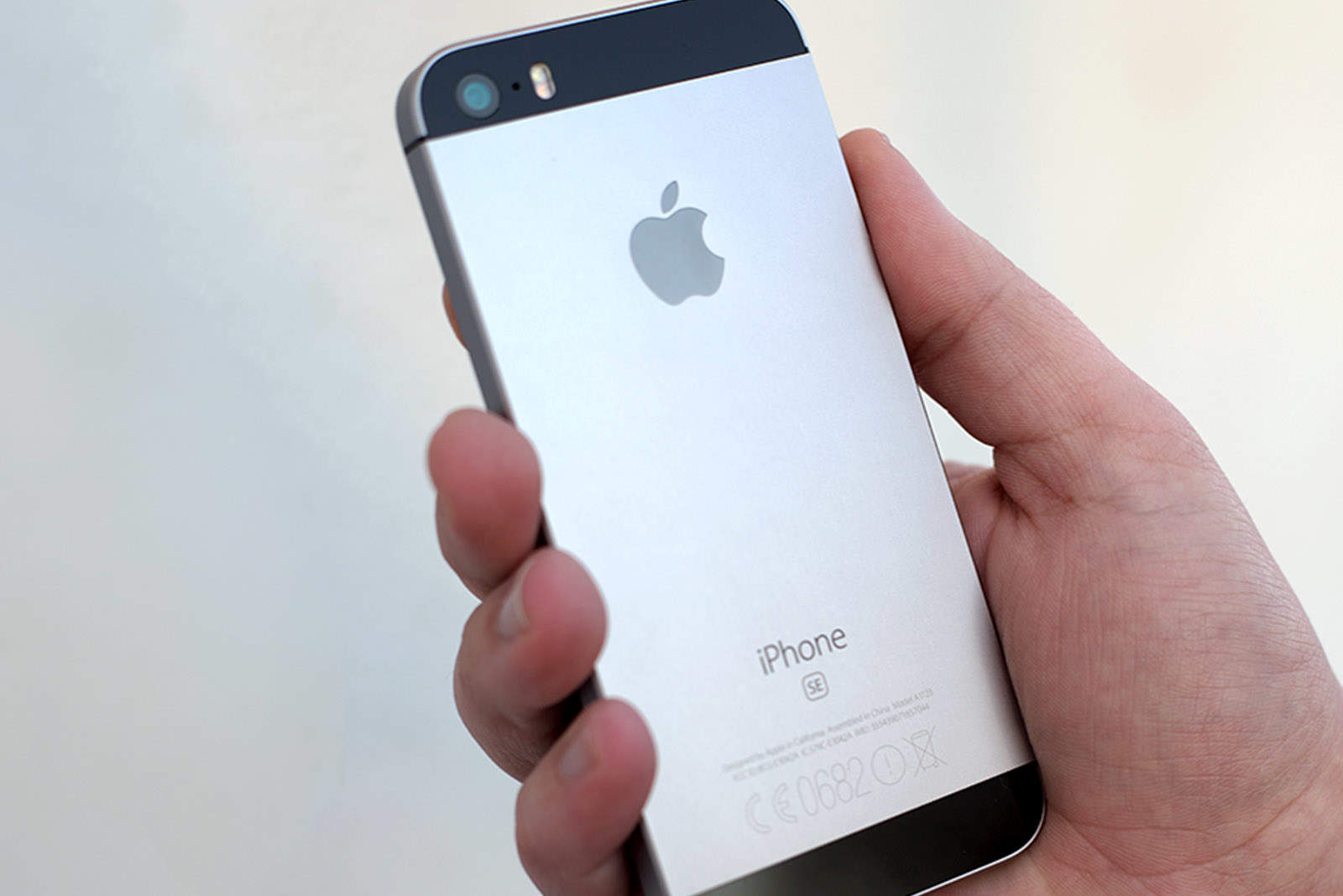
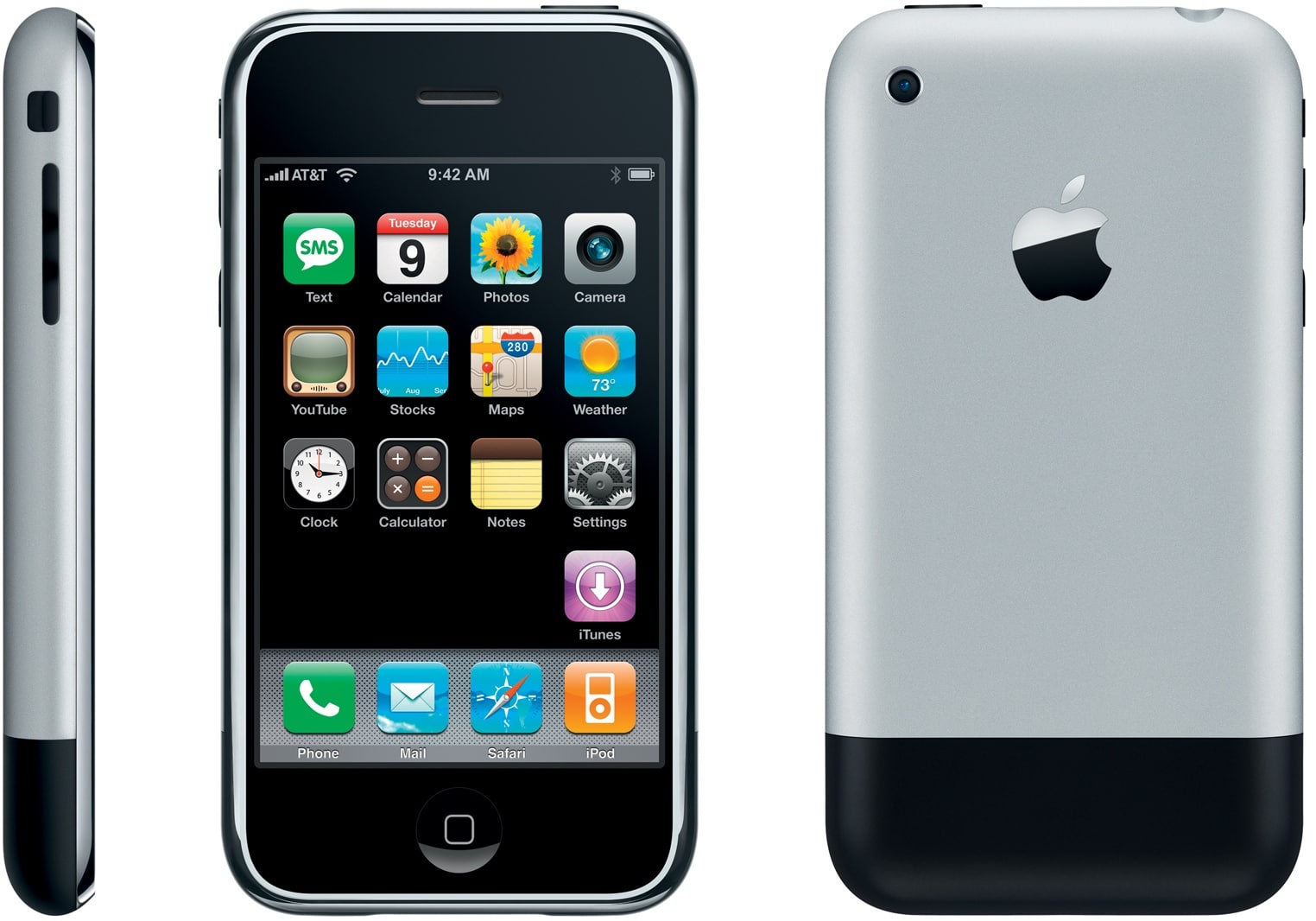
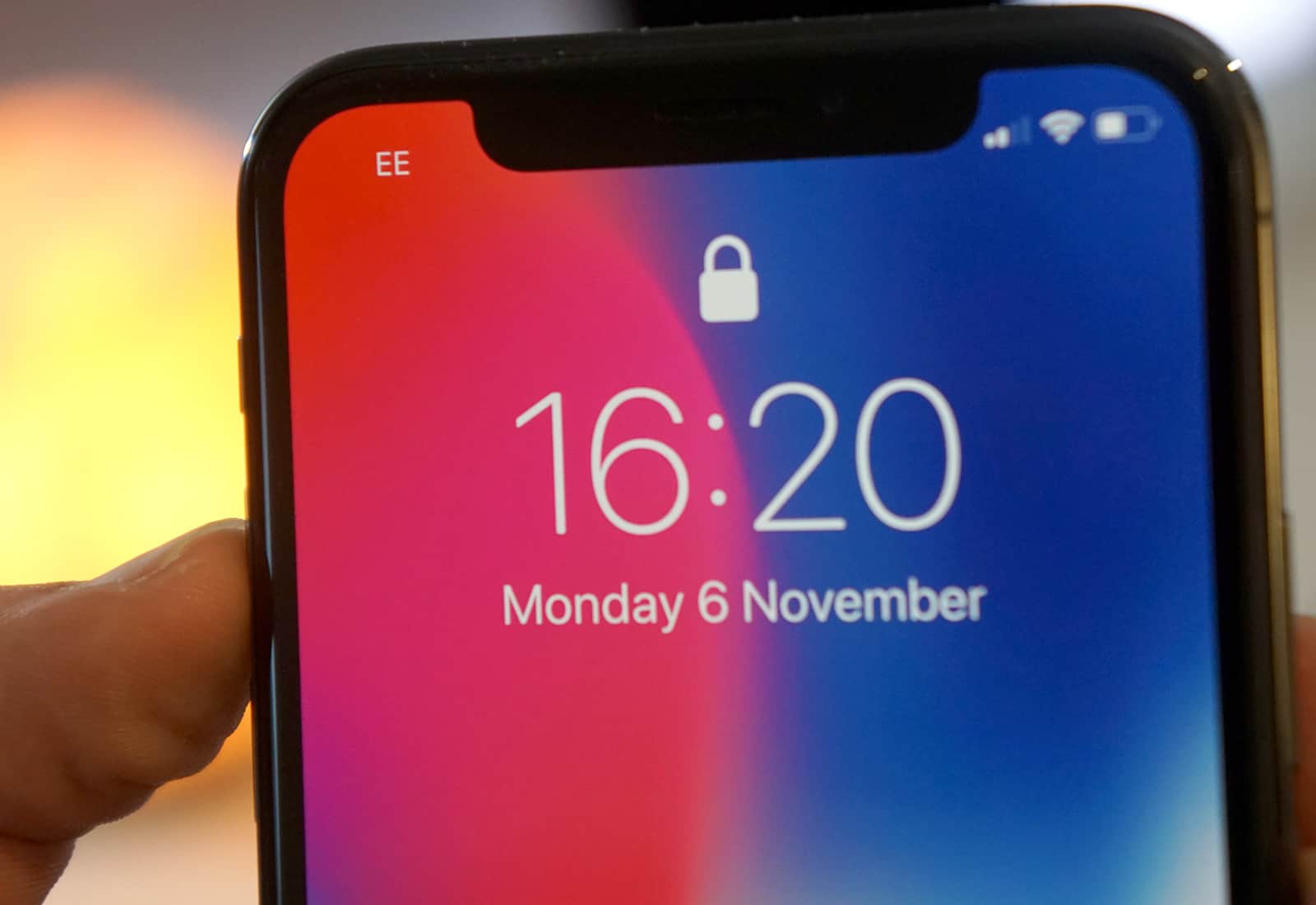
Apple desperately needs an updated iPhone SE. Photo: Sam Mills/Cult of Mac
iPhone sales are down, especially in emerging markets. The reason is simple: Apple’s devices cost too darn much. And the solution is equally simple: Apple must make a new budget model. In short, it needs a successor to the iPhone SE to ensure short-term profits as well as long-term viability.
This device has to have a low, low price. Even if that means a phone so bare-bones that most Americans turn up their noses at it.
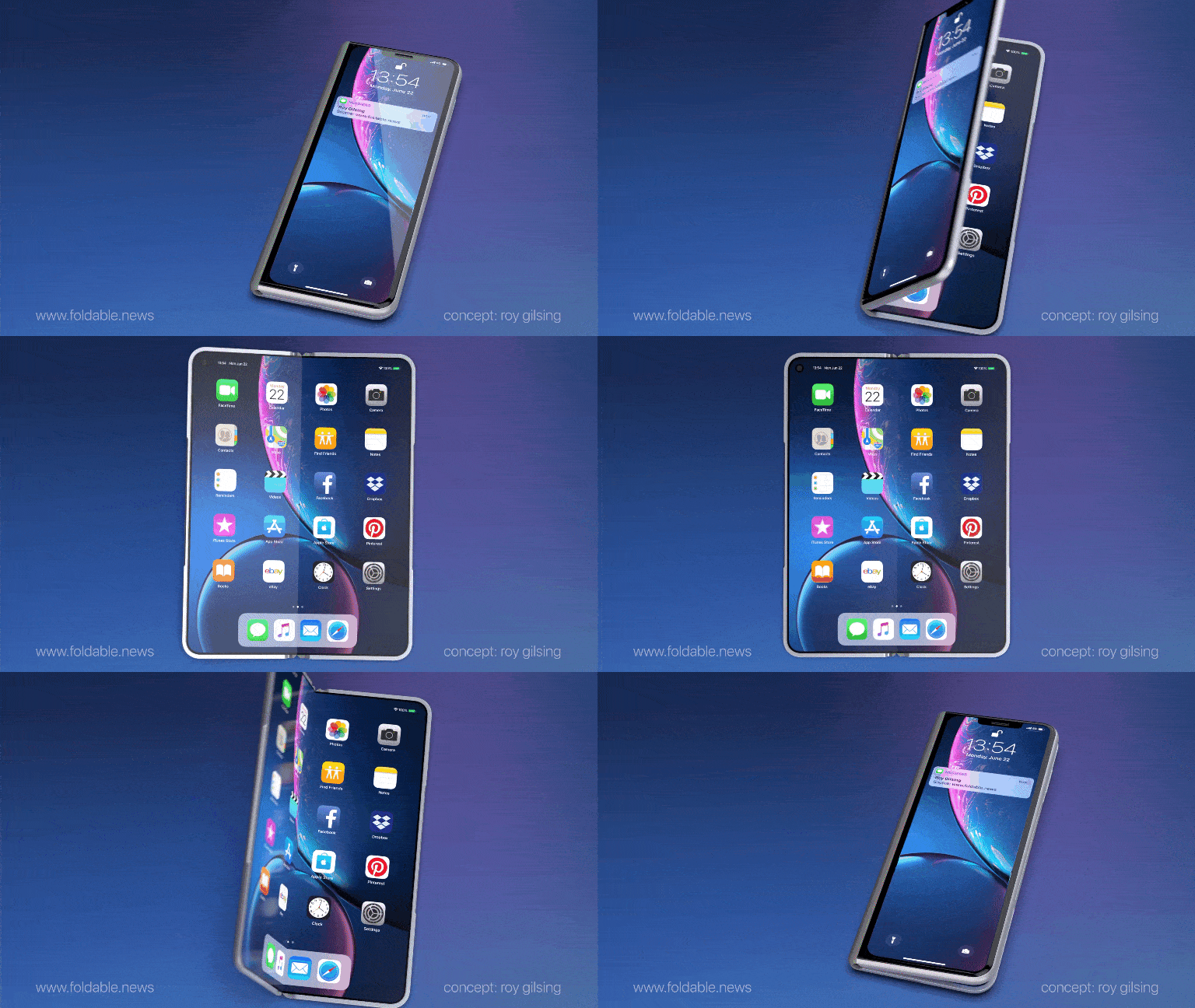
Is that a folding iPhone? Or a folding iPad? Photo: Foldable News
At this week’s Mobile World Congress in Barcelona, phone-makers are demonstrating their folding phones. These range from the laughable (Samsung) to the desirable (Huawei), but none of them is really plausible. Why? Because nobody is going to buy a folding phone. Not now, and not in the future. At best they will be a niche product, like ruggedized laptops are now, for example.
No. The folding phone will probably never happen. But what about foldable tablets?
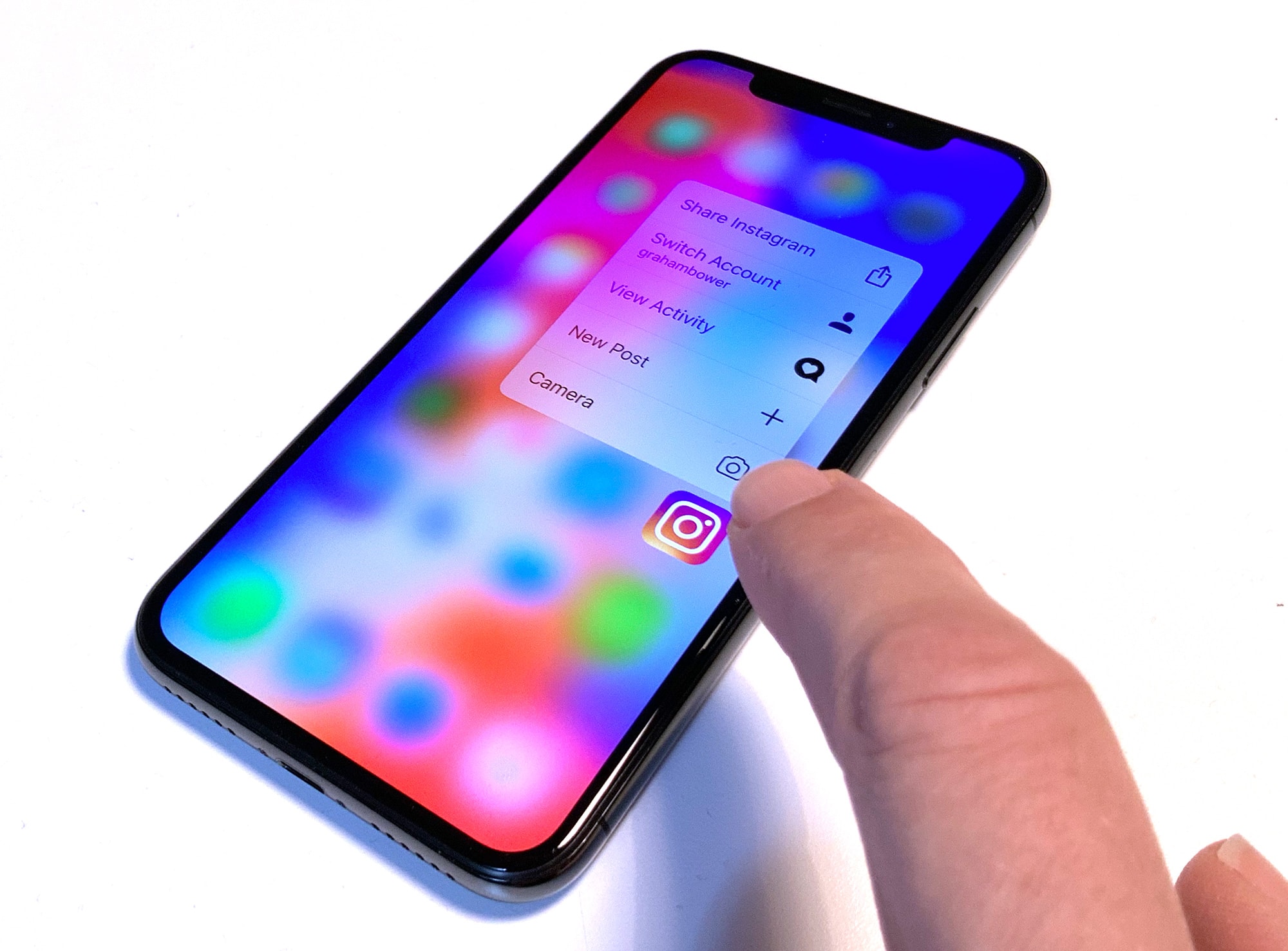
Hovering your finger over an icon could bring up more options Photo: Graham Bower/Cult of Mac
Next week at Mobile World Congress in Barcelona, LG looks set to unveil a revolutionary new smartphone with gesture controls. In a brief teaser video, the South Korean tech giant boldly promises the end of multi-touch — the way we’ve all been interacting with smartphones ever since the iPhone launched in 2007.
A gesture sensor could pick up hand movements in front of the device, rather than requiring physical interaction with the screen itself. So, for example, you could point at a button from a distance, rather than actually needing to tap the glass screen to select it.
In reality, I doubt that gestures will replace multi-touch anytime soon. However, I do think Apple could make intelligent use of this new tech. It could replace 3D Touch (which Apple looks set to scrap), and it could serve as a clever way to finally bring multi-touch to the Mac.
Computers are great for lots of things, but not everything. Photo: Charlie Sorrel/Cult of Mac
Computers — the iPad, the Mac and anything else where a screen is the main form of interaction — are creativity killers. They distract, frustrate and get in the way of the flow that is essential to any creative work.
That’s not to say they don’t play an important part in art, music, photography or writing. It’s just that a lot of the time, there are much better tools for the job — and they’re getting more popular all the time.
Apple has added a shortcut to the latest versions of iOS 12 to make managing app subscriptions easier. Previously, you had to dig deep into your Apple ID settings to find the control panel for your subs. Now, it’s just a couple of taps away. On the surface, this looks like a simple tweak to make things easier for the user, but it’s more than that.
By making subscriptions easier for the user to cancel, it’s also making it more likely that people will sign up for them in the first place. That’s good for users, for developers, and for quality apps in general.
It this really an appropriate home screen for the powerful 2018 iPad Pro? Photo: Apple
According to rumors, iOS 13 will bring a redesigned home screen to the iPad. It’s about time. The grid of apps might have worked fine on the iPhone before the App Store, but after nine years of using the expanded version on the iPad, the joke is starting to get old.
So, if Apple is finally ready to make a home screen worthy of the iPad, we have a few suggestions.
Did Angela Ahrendts jump or was she pushed? Photo: Leander Kahney/Cult of Mac
When Apple fires an executive, the company is rarely straightforward about the situation. Apple never puts out a press release stating plainly that the executive was canned. So Tuesday’s unexpected announcement that Angela Ahrendts, Apple’s head of retail, is leaving in April led many to suspect she was fired.
That’s because the announcement came as a surprise and seems rushed. She’s certainly not retiring or quitting to join another company. The press release phrase “new personal and professional pursuits” sounds like code for “canned.”
The iPad Pro is amazing, but it can drive you crazy. Photo: Charlie Sorrel/Cult of Mac
A few of us here at Cult of Mac work on iPads pretty much exclusively. Apple’s tablet proves more than capable of “real” work, but that doesn’t mean it’s perfect. Far from it, in fact. The iPad Pro 2018 is a fantastic machine that invites you to use it for everything. But that only makes the frustration worse.
Today I’d like to talk about what really drives me nuts about the iPad.
Smart speakers are microphones that other people can listen to. Photo: Charlie Sorrel/Cult of Mac
You know the Apple FaceTime bug that everyone’s going crazy about? It’s a huge screwup, for sure, but at least we know it’s just a bug. Being able to call someone and eavesdrop on their conversations without them knowing is clearly a privacy nightmare, which is why Apple disabled Group FaceTime until it can issue a proper fix.
Amazon, on the other hand, offers silent eavesdropping as a feature for its Echo speakers. It’s called Drop In, and if you’ve enabled it, you should probably turn it off.
Analysts want Apple to snap up a movie studio. We disagree. Photo: Naoya Fujii/Flickr CC
How can Apple’s streaming video service battle established competitors like Netflix? Simple: Buy a movie studio.
That’s the battle cry from certain Wall Street analysts, who suggest that Apple use its Scrooge McDuck-style cash pile to buy everything from Sony Pictures to Disney.
As sexy as that idea might sound on paper, however, in reality it would be a terrible idea. Here are three reasons why.
Is the 2018 iPad Pro or a MacBook a better option for you? Photo: Leander Kahney/Cult of Mac
Anyone who thinks you can’t get “real work” done on an iPad is nuts. Likewise, anyone who claims Apple’s tablet is not a real computer sounds like somebody arguing that the 1984 Mac wasn’t a real computer because it didn’t have a text-based command-line interface.
The iPad vs. Mac debate certainly isn’t new. Only the devices have changed.
I think that the folks making these arguments are jealous of the iPad Pro, or scared that it will become more important to Apple than their Macs. They want to use it instead of their Mac, but at the same time they’re unwilling to change anything about how they work. Instead, they want the iPad to be a touchscreen Mac with a detachable keyboard.
Friends don’t let friends get to this stage. Photo: Charlie Sorrel/Cult of Mac
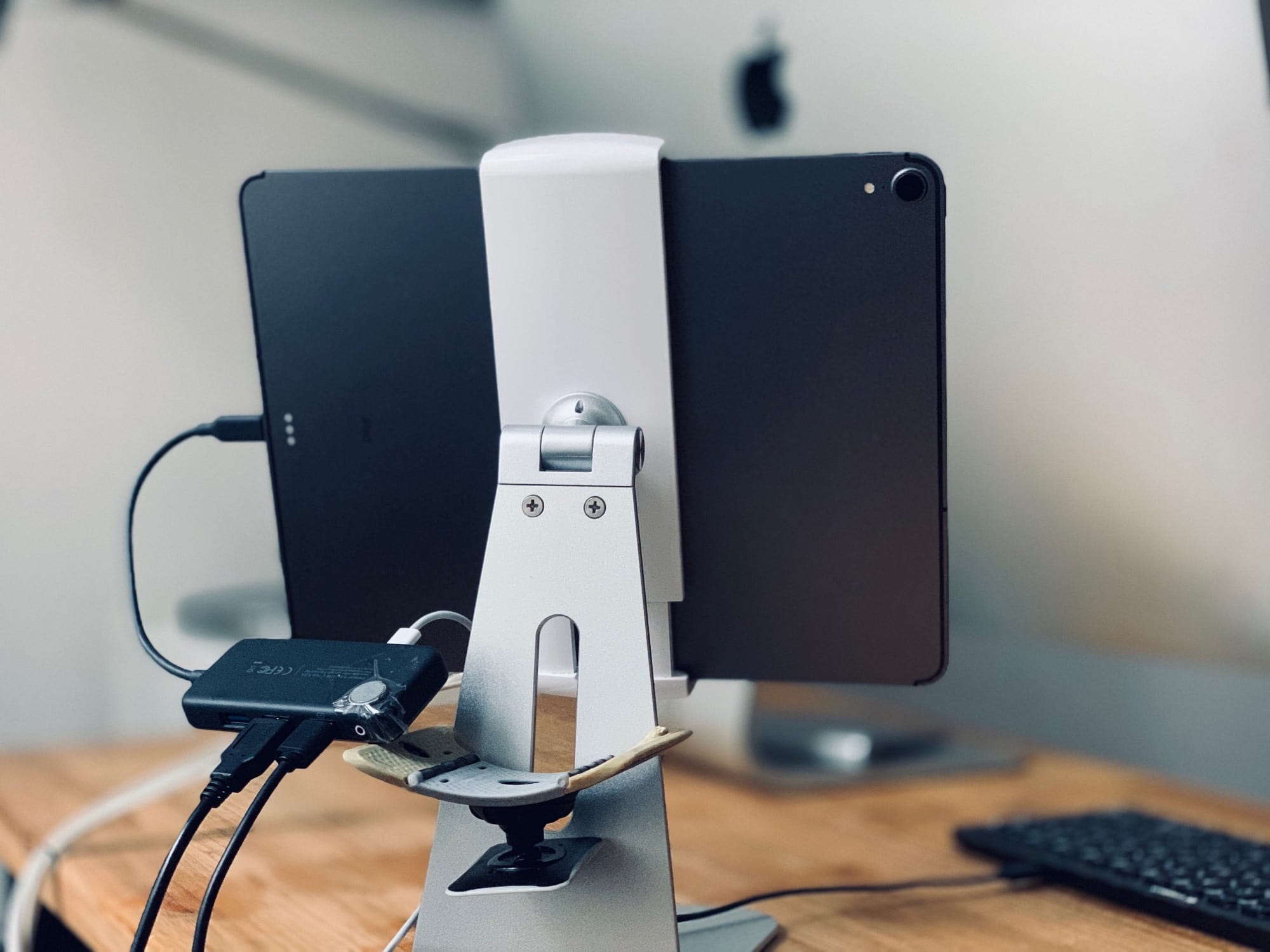
If you have a new 2018 iPad Pro, then you probably need a new USB-C hub. Without it, you can only plug in one accessory at a time, and that includes the charger. With a hub, you can plug in an almost unlimited number of USB devices (and other gear), plus provide power for everything at the same time.
The problem is, almost all USB-C docks are designed for laptop computers like the MacBook. They’re designed with short tails so they can sit on a desk next to the MacBook’s desk-level USB-C port, and plug in without trailing a long cable all over the place. But these short tails are terrible for the iPad — especially if you use the tablet on a stand.
They result in a dongle dangling from the iPad, trailing all the cables and accessories hooked up to the hub. This puts a strain on the USB-C port, and reduces mobility for the iPad. It also looks ridiculous. Ditto those docks that clip to the iPad itself. They’re a disaster waiting to happen. Fortunately, I have a better idea.
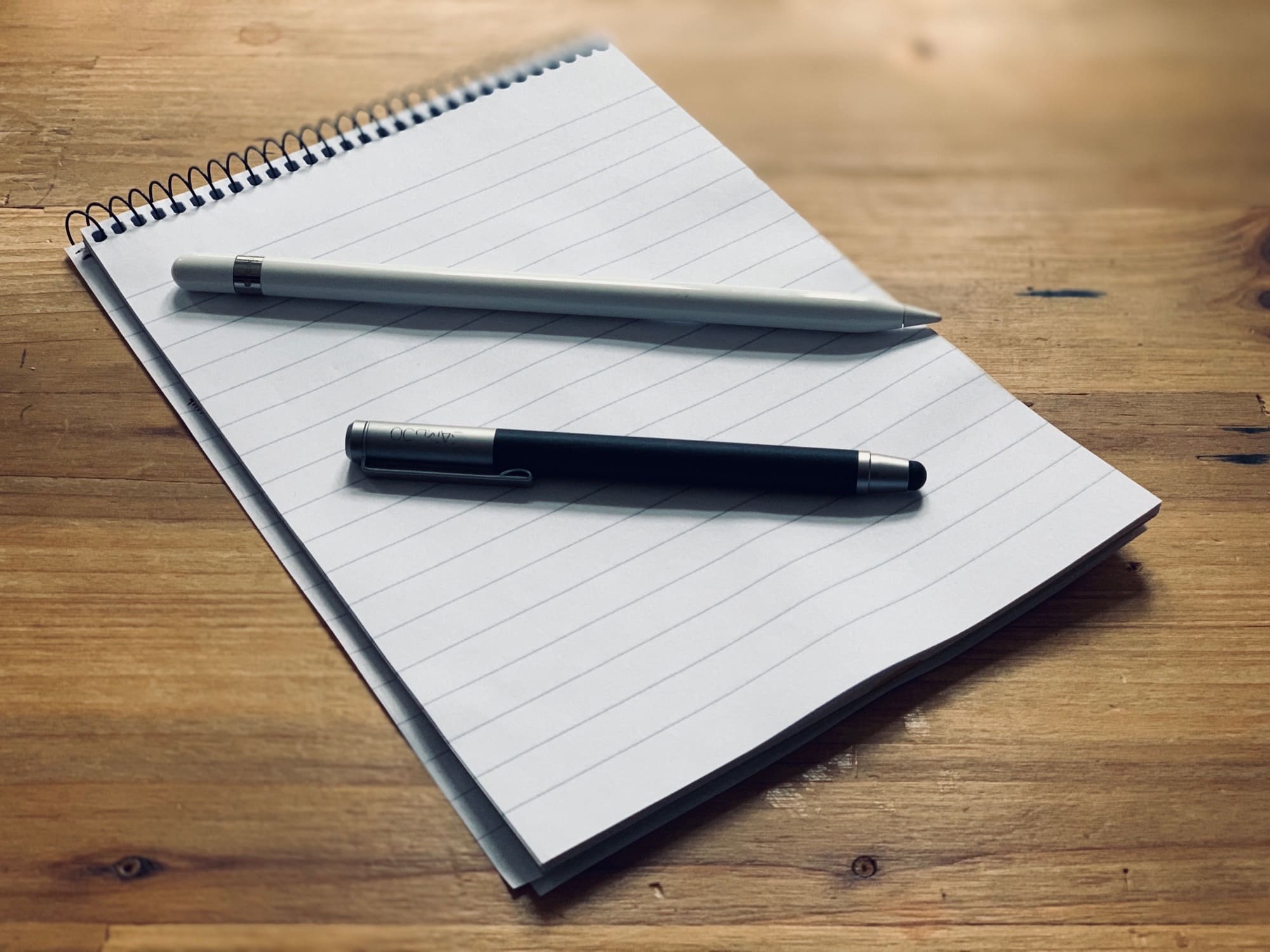
This old Wacom Bamboo stylus is more than enough "pencil" for many people. Photo: Charlie Sorrel/Cult of Mac
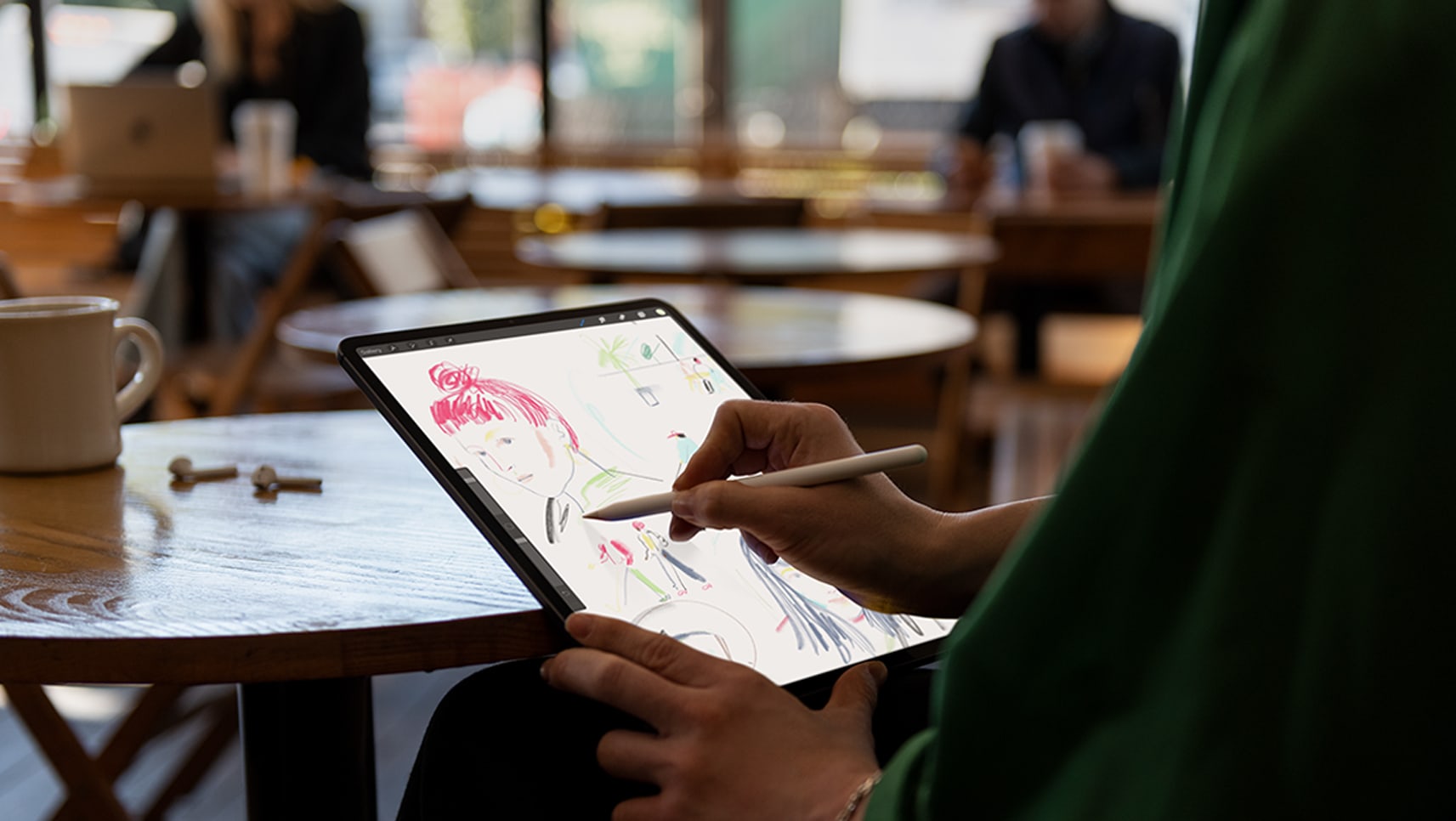
I’ve owned an Apple Pencil since I bought the first iPad Pro a few years ago. There’s nothing to touch it when it comes to drawing and painting on the iPad, but I found I didn’t ever use it for that. I mark up PDFs, make selections when editing photos, and sketch the odd diagram.
This time around, I’m saving my $130 by not buying the Apple Pencil mkII. Why? I don’t need it. Instead, I’m using the cheap, dumb stylus I found in my jam jar of pens and pencils. Let me tell you why.
Futurists claim the iPad has already eliminated the need for a Mac. Realists say nah. Photo: Leander Kahney/Cult of Mac
Since the new iPad Pro’s launch, debate about the powerful devices has become increasingly polarized into two opposing camps: futurists and realists.
The futurists argue that the iPad is the future computing. Apple’s tablet has eliminated the need for laptops, they say, and anyone who claims they can’t manage their workflows on iOS is living in the past (and should just get with the program).
The realists, on the other hand, retort that while the iPad may be cool, it remains limited by iOS in a lot of very important ways. Those limitations mean it is currently impossible to use the iPad as a primary workstation for pros.
Is the 2018 iPad Pro or a MacBook a better option for you? Photo: Leander Kahney/Cult of Mac
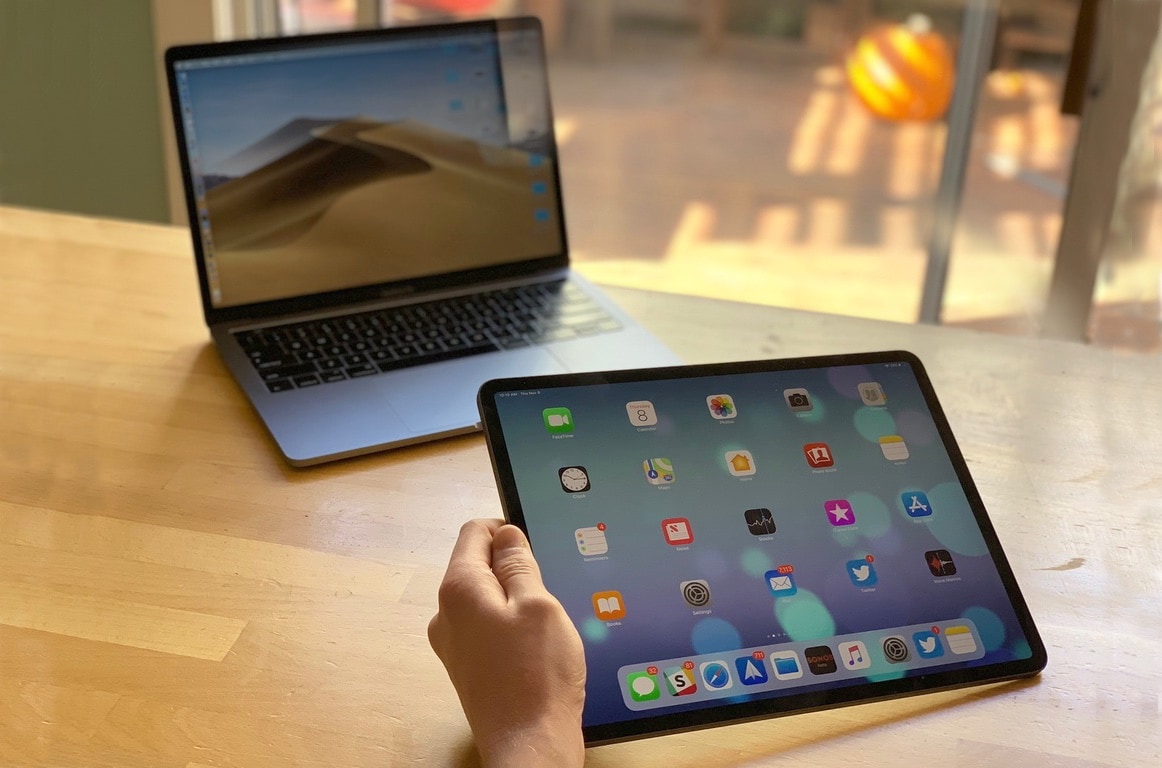
The dividing line between MacBook and iPad Pro gets narrower every year. The new iPad Pro models added a USB-C port, further reducing the differences. This is a good opportunity to consider which is the right choice for your next computer.
There’s a tremendous amount of overlap in what tablets and notebooks do. But each is better than the other at some things. For many people, a MacBook is still the best option. But for others, an iPad Pro is a better way to go. Read on for suggestions on how to decide.
The iPad Pro could be even better than a Mac — with just a few fixes. Photo: Apple
The new iPad Pro is amazing. It’s lighter, faster, better looking, and all-around cooler than its dorky older brother. While the old 12.9-inch iPad Pro is ironing faux leather patches onto the elbows of its corduroy jacket, the new one is ripping holes into the knees of its vintage jeans.
But there are still some things that the 2018 iPad Pro can’t do. And these shortcomings aren’t down to hardware. They’re all down to software, and the limitations still built in to iOS 12. Let’s take a look.
The obsession with iPhone sales numbers is now a thing of the past. Probably. Photo: Apple
Apple shocked Wall Street yesterday when it revealed that it will no longer share information about how many iPhones sell each quarter. Instead, the company will provide the average sale price, which Cupertino claims is a far more useful figure to investors.
It’s a big change in strategy from a company that used to make a point of crowing about its landmark sales figures. But, while this move might disappoint some fans, it’s totally the right call. Here’s why.
There’s no way I’m sticking that In my iPad’s hole. Photo: Charlie Sorrel/Cult of Mac
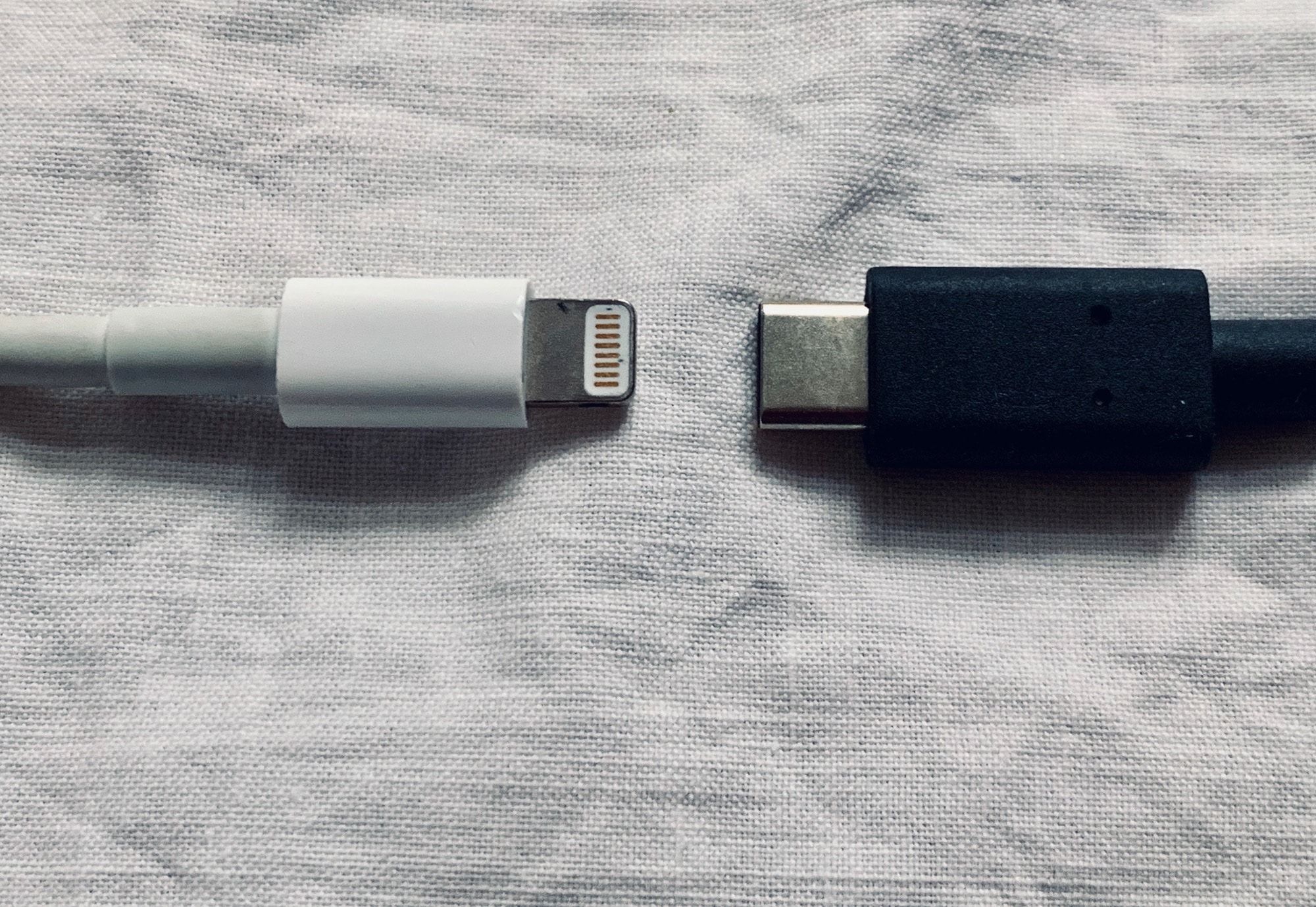
At this point, it seems that everyone is agreed that the next iPad will replace the excellent Lightning connector with an inferior USB-C connector. But I’m not so sure. Not only is the “evidence” for this huge change sketchy and speculative at best, but USB-C would bring almost no benefit to anyone — not users, and not Apple.
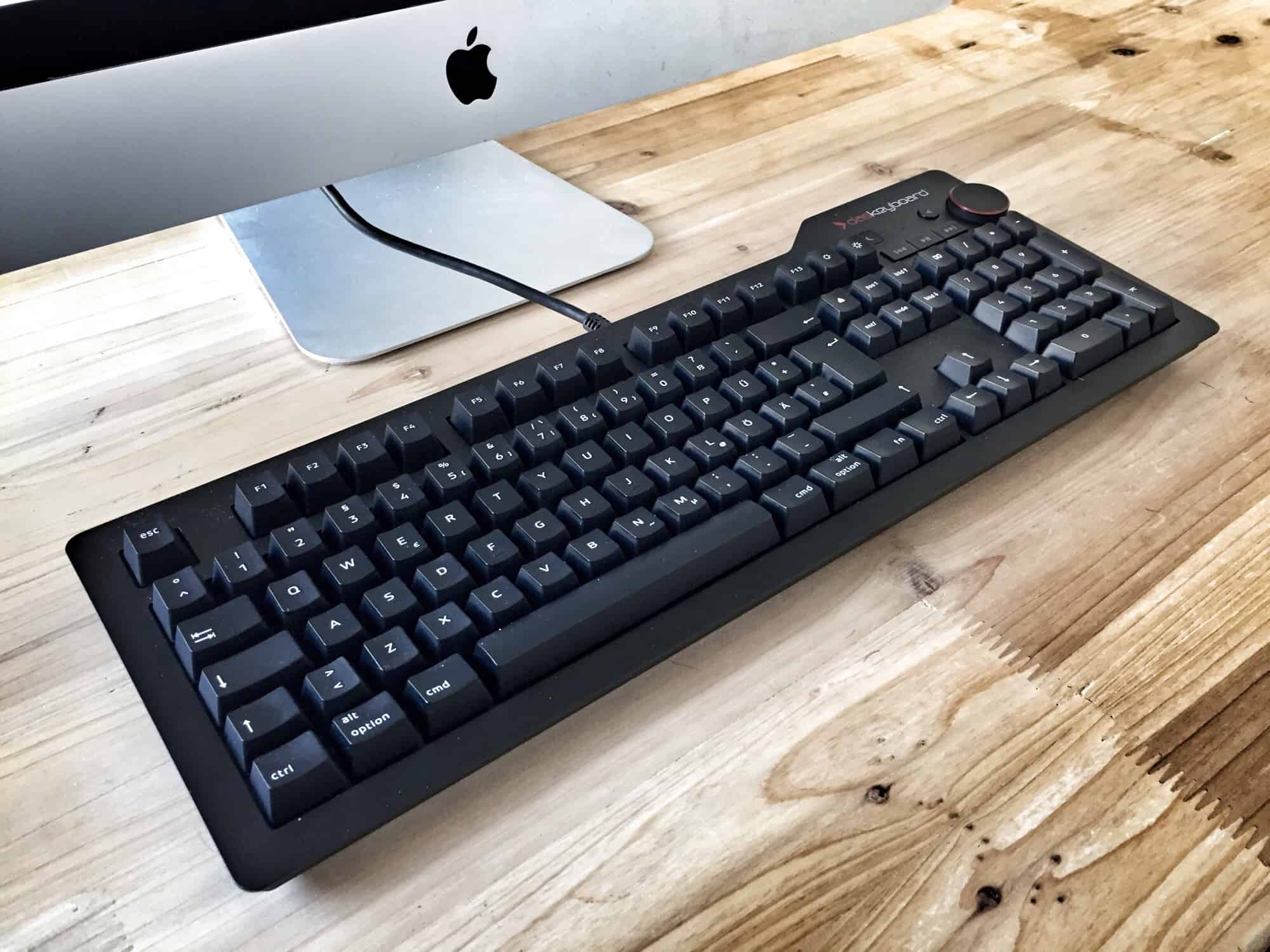
A keyboard is as essential to Photoshop as a screen. Photo: Charlie Sorrel/Cult of Mac
When Photoshop comes to the iPad next year, it will apparently be the full desktop version, with the same code base, shrunk down to run on iOS. At launch, a few features will be missing, but the plan is parity between desktop and iOS versions.
But there’s one thing that will ruin the iPad version of Photoshop from day one — a lack of keyboard shortcuts.
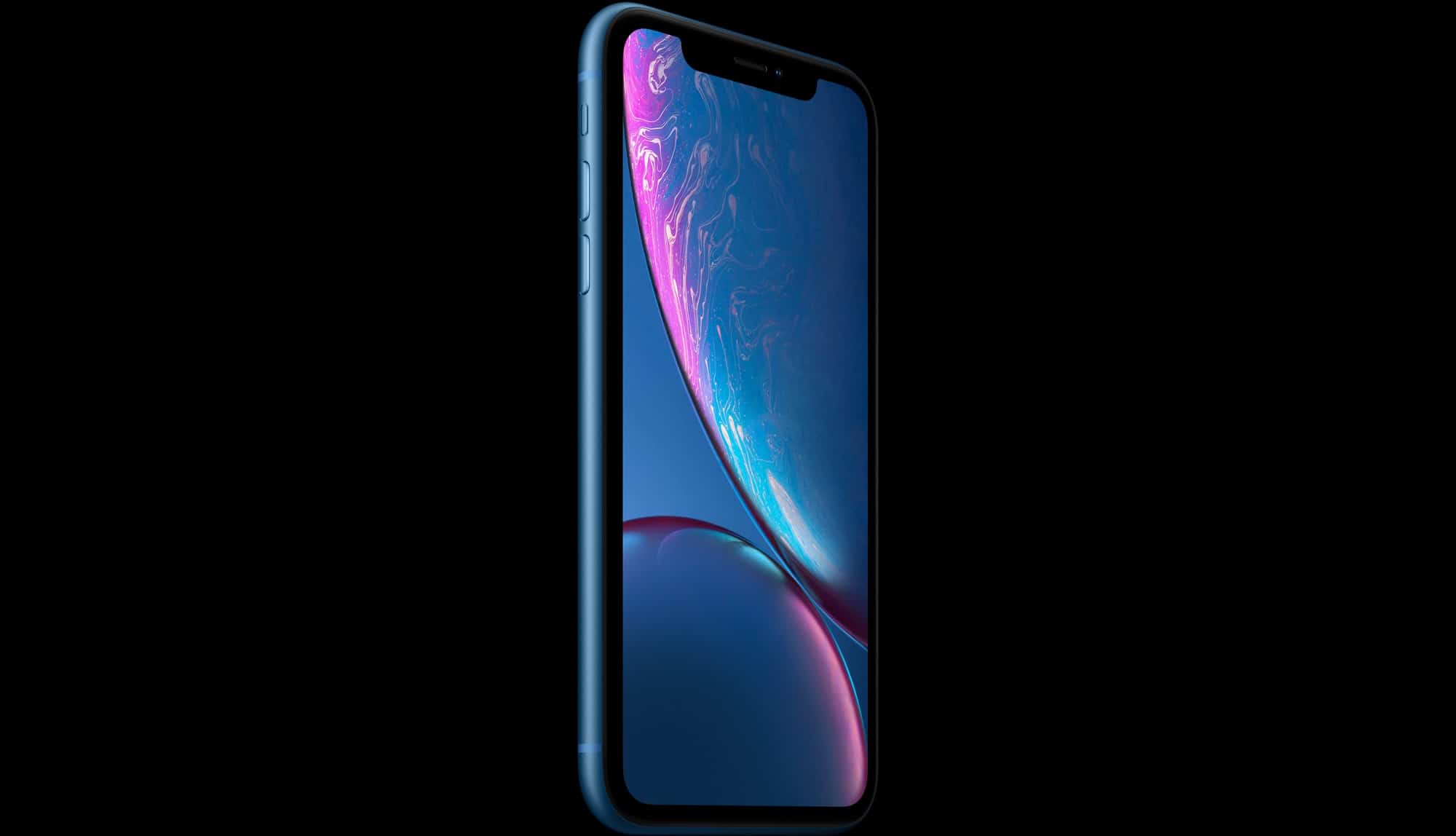
iPhone XR carries the same A12 Bionic chip as iPhone XS. Photo: Apple
The iPhone XR replaces 3D Touch with something called “Haptic Touch.” But just what is Haptic Touch? The good news is that — in theory — it lets you use all the same hard-press shortcuts you’re used to. Here’s how it works.
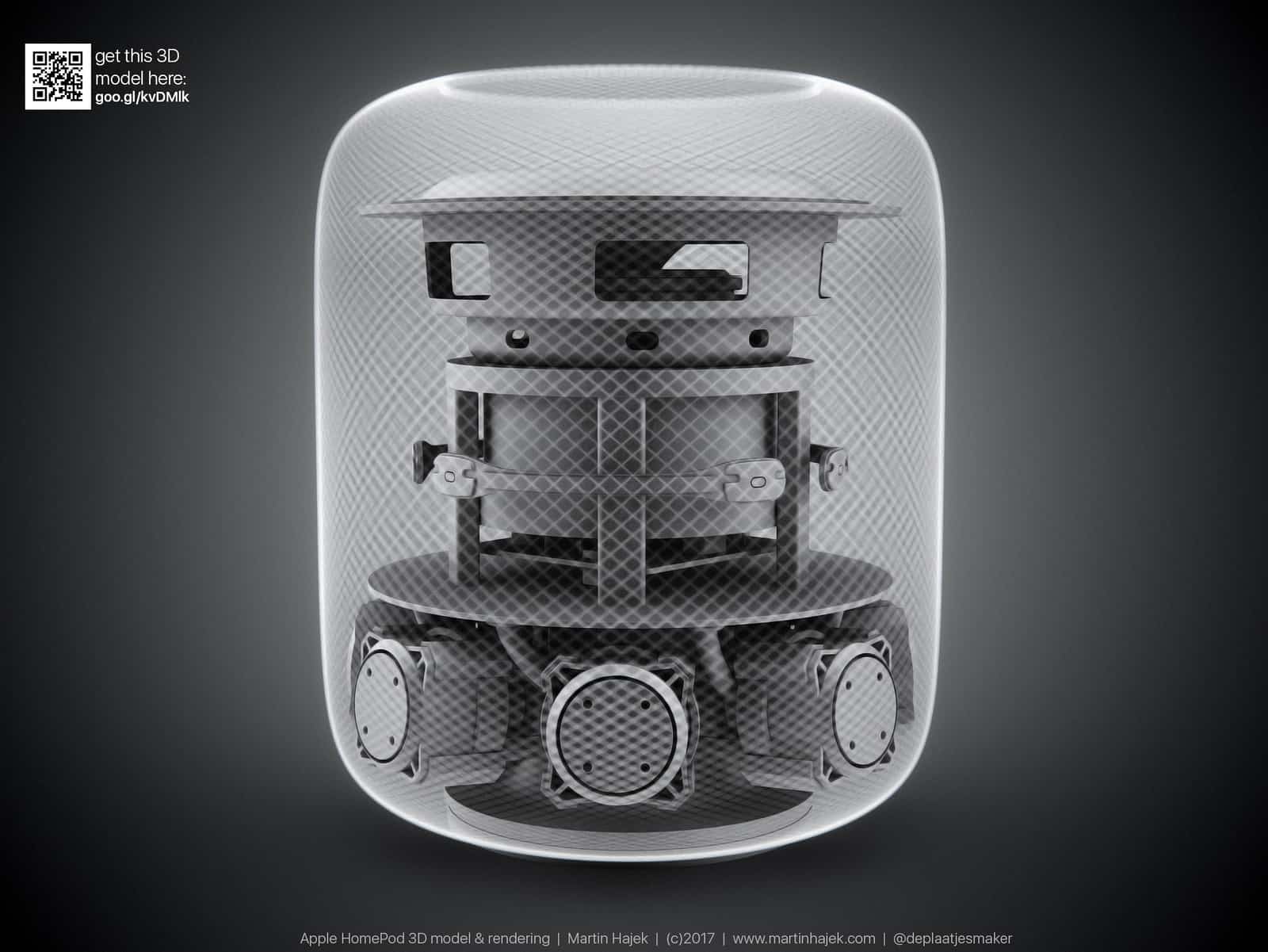
HomePod, the first new Apple product of 2018, is about to arrive. And as a huge Apple fanboy, I couldn’t care less.
Apple’s been hyping its smart speaker ever since unveiling the device last June at the Worldwide Developers Conference. And yet HomePod has failed to really excite fans (except through leaks that gave us early details about the iPhone X). Apple bills HomePod as a powerful speaker that packs Siri to take your listening experience to an all-new level. But with its Feb. 9 release just weeks away, HomePod is looking more like Apple’s next big bomb.
The "notch" is not a problem. Photo: Ste Smith/Cult of Mac
Ever since Apple unveiled the iPhone X, naysayers have been complaining about “the notch.” But in today’s video, I’m going to do my best to convince you that the controversial cutout at the top of the iPhone X screen is totally not an issue.
Here’s why I think the iPhone X actually needs the notch.
Apple's new strategy for iPhone X reviews blew up the system. Photo: Gerd Altmann/Pixabay CC
Anybody who thinks Apple can’t innovate should look in awe at the fecal hurricane whipped up by the company’s unorthodox iPhone X marketing plan.
By giving popular YouTubers early access to the next-gen iPhone, and allowing them to “scoop” the old-school journalists traditionally granted such preferential treatment, Cupertino upended the typical review cycle.
Apple apparently bruised a few fragile egos in the process. Frankly, it’s hilarious watching the ensuing media meltdown.
ARKit is going to be a tasty innovation for Apple. Photo: Alper Guler
From the iPhone 8 to iOS 11, Apple’s got no shortage of big launches coming in the next few weeks. But the one with the biggest long-term potential for Apple is one that Tim Cook says makes him want to “yell out and scream” with excitement.
That product is ARKit, the augmented reality platform Apple unveiled this year at WWDC. Here’s why it’s going to be massively important for Apple.