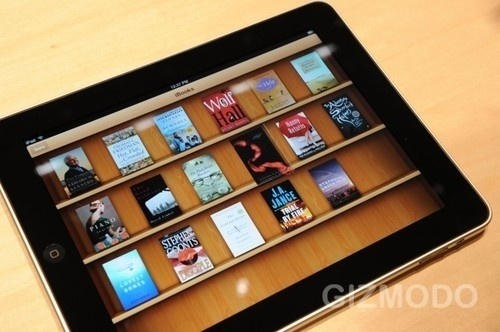
First Apple used higher prices to get book publishers to consider the company’s iPad. Now comes word the Cupertino, Calif. electronics firm will offer FairPlay DRM to make them feel safe from e-book pirates. The move seems to extend Apple’s use of DRM for movies and television episodes to its latest consumer tablet device.
However, unlike movies and TV show sold through iTunes, Apple plans to give book publishers the option to lock-down their titles with DRM. “No doubt some publishers, including O’Reilly Media — which has vociferously argued that digital locks are harmful to sales — will opt not to deploy FairPlay,” according to Monday’s Los Angeles Times.
Despite some holdouts, most publishers likely will choose to wrap their e-books in DRM along with other protective software, such as Adobe’s Content Server 4. The goal is to “squelch incipient book piracy as the e-book market begins to take off,” the report noted.
So far, a number of book publishers, including Macmillan, HarperCollins and Hachette, have embraced Apple’s “agency model” for pricing, forcing dominant e-book publisher Amazon to scuttle its $9.99 flat-rate for electronic titles and adopt Cupertino’s $12.99 to $14.99 price range. The Seattle-based online book-seller recently said it would change its pricing when the iPad begins shipping in March.
[Via AppleInsider and LA Times]

Ed Sutherland is a veteran technology journalist who first heard of Apple when they grew on trees, Yahoo was run out of a Stanford dorm and Google was an unknown upstart. Since then, Sutherland has covered the whole technology landscape, concentrating on tracking the trends and figuring out the finances of large (and small) technology companies.